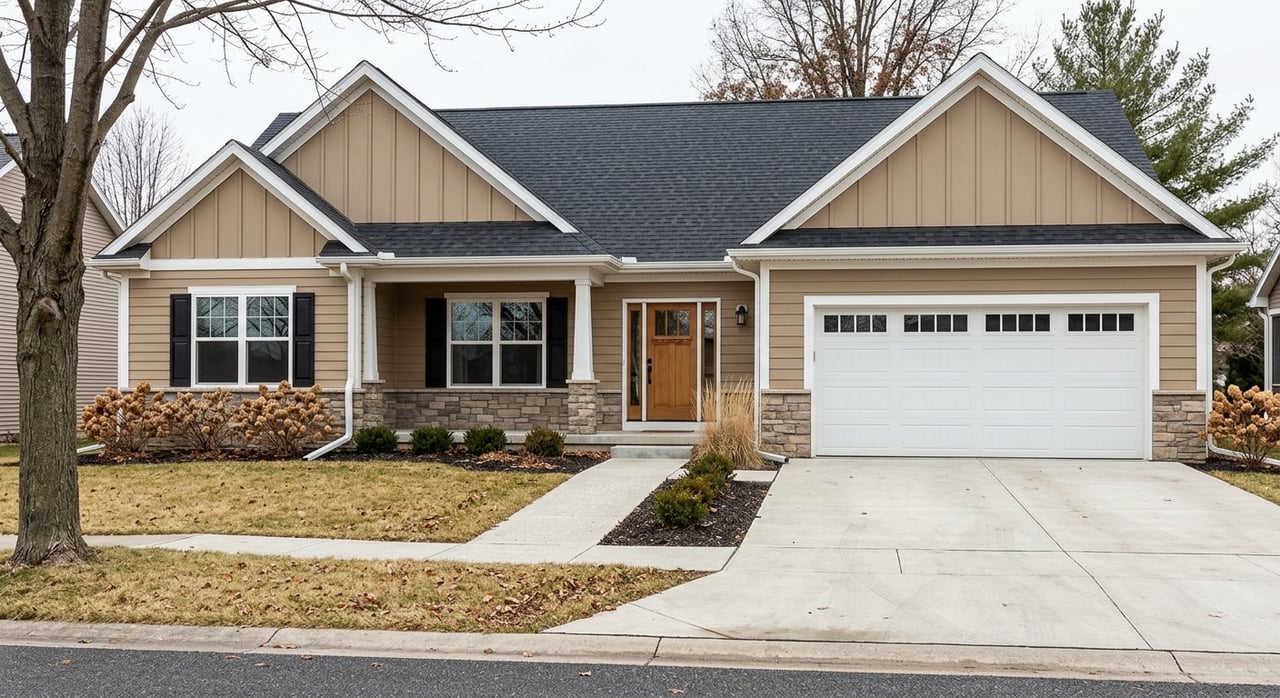
Choosing a new construction home in Troy can feel simple at first. You pick a community, tour a model, and compare prices. But once you look closer, the real differences often show up in the contract, the lot, the approval process, and the long-term plans around the property. If you want to compare your options with more confidence, this guide will help you focus on what matters most. Let’s dive in.
Start With the Type of Community
Not every new construction home in Troy works the same way. Some are in traditional subdivisions, while others may be part of a condominium or site condominium project. That difference can affect ownership structure, exterior rules, parking, dues, and future obligations.
If a property is a condo or site condo, Michigan law says the master deed is the recorded condominium document that incorporates the bylaws and subdivision plan. Before you compare prices alone, review the condo documents carefully so you understand rules related to exterior maintenance, parking, rentals, and reserves.
Compare the Builder Contract First
The model home and finishes may get your attention first, but the contract deserves equal focus. When you compare builders, start with the written warranty, deposit terms, upgrade language, and timelines for completion.
A builder warranty is not the same as a separate paid home-warranty service contract. Common builder warranty patterns often include one year for workmanship and materials, two years for systems, and up to 10 years for major structural defects. You should also ask what is excluded, how claims are handled, and whether any third-party warranty is involved.
If you are financing the home, make sure you understand whether your deposit is refundable and under what conditions. That question matters even more when construction timelines, financing approval, or appraisal issues may shift before closing.
Look Beyond the Base Price
A low base price can be appealing, but it rarely tells the whole story. Two homes with the same advertised floor plan can end up with very different final prices once lot premiums, structural options, and design upgrades are added.
Ask for a detailed breakdown of what is included in the base price versus what costs extra. Focus on cabinets, countertops, flooring, lighting, appliances, elevation changes, plumbing fixtures, and structural options like added bedrooms, expanded kitchens, or deeper basements.
It also helps to ask whether the builder works from a limited set of repeat plans or offers a more custom process. Troy allows a builder to use a master plan number for repeated plans, which helps explain why some communities offer a defined menu of models and option packages while others provide more flexibility.
Compare Lots Like a Long-Term Decision
In new construction, the lot can matter just as much as the house. Price per square foot does not tell you how the home will sit on the property, how water will drain, or what may be built nearby later.
Troy’s residential permit checklist requires items like a scaled plot plan, building plans, and in some cases a drainage plan. That makes it smart to compare lot orientation, grading, drainage setup, driveway placement, backyard usability, and how the home relates to neighboring lots.
When you are comparing two similar homes, ask questions like these:
- Which lot gets more backyard privacy?
- How close will nearby homes sit to your windows or patio?
- Is the lot near an entrance, internal road, or higher-traffic street?
- How will drainage move across the property?
- Will the driveway, sidewalk, or elevation change how the home feels day to day?
Watch Nearby Development Plans
What surrounds your new home today may not stay the same. In Troy, land-use planning and redevelopment can affect traffic patterns, access, noise, and the future feel of a street or subdivision.
City documents still reference Plan Troy 2040, and districts such as Big Beaver and Neighborhood Nodes are designed around mixed-use centers and complete-street style corridors. For you as a buyer, that means nearby redevelopment is part of the comparison process, not just background information.
The Planning Commission reviews preliminary plats, planned unit developments, site plans, and certain special-use approvals. If you are choosing between communities or lots, it is worth checking whether nearby property could be approved for future development that changes your surroundings over time.
Troy’s Planning Commission meets on the second and fourth Tuesday of each month. That schedule gives buyers a practical way to monitor proposals before they become built realities.
Understand PUD and Site Design Details
If you are considering a home in a planned unit development, or PUD, the community design deserves a close look. These projects are reviewed with attention to more than home size and appearance.
Troy requires PUD applicants to address setbacks, lot dimensions, building height, parking, fencing, lighting, landscaping, phasing, public services, natural resources, and community impact. Those same topics shape your daily experience once you move in.
When comparing communities, pay attention to:
- Setback distances between homes
- Street and parking layout
- Lighting placement
- Landscaping plans
- Fencing standards
- Phasing of future construction
- How much of the project is already complete
A beautiful first phase can feel very different if later phases are still under construction for an extended time. Asking about phasing can give you a better sense of noise, traffic, and timing after your move-in.
Financing Can Work Differently on New Builds
New construction financing is not always the same as financing a resale home. In some cases, a construction loan may be used during the build and later convert to a permanent mortgage.
You also do not have to use the builder’s affiliated lender. Even if the builder offers incentives through a preferred lender, you should still compare your options carefully and understand the full cost, terms, and timing.
New-build timelines can stretch longer than expected, so keep an eye on rate locks, disclosure timing, and how change orders might affect your loan. If settlement is expected more than 60 days after the original Loan Estimate, revised disclosures may be used for a new construction transaction.
This is one area where coordinated guidance can make the process easier. Joan King’s background as both a real estate professional and licensed mortgage originator can help you keep the home search and financing conversation aligned from the start.
Appraisal Issues Matter More Than Buyers Expect
A new home is still subject to appraisal. If the appraised value comes in below the contract price, you may need to renegotiate or review the valuation with your lender.
For homes that are proposed or under construction, the appraisal may rely on the builder’s plans and specifications. That means the value can depend in part on the project matching the approved plan and documented features.
This is another reason to keep paperwork organized. Upgrade sheets, plans, and specifications are not just builder documents. They can also play an important role in financing and valuation.
Keep Inspection and Financing Contingencies
A brand-new home is still a major purchase, and new does not always mean issue-free. It is wise to keep both financing and inspection contingencies in place when possible.
A lender may still require repairs before closing if an issue is discovered. You should also budget for the full monthly cost of ownership, including property taxes, insurance, and any HOA or condo dues, rather than focusing only on principal and interest.
A clean-looking new build can still raise questions about finishes, systems, grading, or incomplete work. Clear contingencies help protect your options if something does not line up as expected.
Timing in Troy Can Affect Move-In
One of the biggest frustrations in new construction is being told the home is almost done, but not quite ready. In Troy, local construction and approval requirements help explain why that can happen.
The city says new home construction projects must have permanent vegetation in place before final soil-erosion approval. In winter, Troy may issue a temporary certificate of occupancy with a cash deposit of $5,000 to $10,000 depending on the residential zone.
That means a home may be very close to complete while still waiting on final seasonal or site-related requirements. If your timeline is tight, ask the builder what remains for final approval and whether a temporary certificate of occupancy may be part of the process.
A Simple Checklist for Comparing Options
If you are touring several new construction homes in Troy, use this checklist to stay organized:
- Community type: subdivision, condo, or site condo
- Builder warranty length and exclusions
- Deposit terms and refund rules
- Base price versus upgrade package details
- Lot premium and lot orientation
- Drainage and grading plans
- Setbacks, privacy, and traffic exposure
- HOA, condo, or bylaw restrictions
- Nearby development or Planning Commission activity
- Construction timeline and phase completion
- Financing options and lender flexibility
- Appraisal and contingency protections
When you compare homes this way, you are less likely to be swayed by surface-level features alone. You can make a decision based on value, fit, and long-term comfort.
If you want help sorting through Troy new construction options, comparing builder terms, or keeping financing and timing on track, Joan Schinderle King can guide you through the details with clear, local insight.
FAQs
What should I compare first when looking at new construction homes in Troy?
- Start with the builder contract, written warranty, deposit terms, and what is included in the base price before comparing finishes alone.
What is the difference between a site condo and a subdivision in Troy?
- A site condo may be governed by condominium documents, bylaws, and rules that can affect maintenance, parking, rentals, and dues, while a traditional subdivision may have a different ownership and governance structure.
Why does the lot matter so much for a new construction home in Troy?
- The lot affects drainage, privacy, orientation, traffic exposure, backyard use, and what your day-to-day experience will feel like even if the floor plan is the same.
Can nearby development change the appeal of a Troy new construction home?
- Yes. Planning and redevelopment activity can affect traffic, access, street character, and the long-term feel of the area around your home.
Do I have to use the builder’s lender for a new construction home?
- No. You can compare financing options and are not required to use the builder’s affiliated lender.
What happens if a new construction home appraises below the contract price?
- You may need to renegotiate or review the valuation with your lender, which is why appraisal and financing protections are important.
Why might a nearly finished new home in Troy still not be ready for move-in?
- Local final approval can depend on items like soil-erosion requirements, permanent vegetation, and whether the city issues a temporary certificate of occupancy during winter conditions.