Online market reports may calculate medians from different groups of sales, so their figures can differ.
Troy's home market splits in two separate places before you ever get to comparing subdivisions. The first split happens in how the median gets calculated. The second happens along the city's own zip code lines, where housing stock from three different decades sits at three very different price points. A single median doesn't show both distinctions, and both can matter when you're shopping.
Two Median Prices, Depending on Which Closings Count
A tracked-closings analysis from Resideline covering the six months ending in August 2026 put Troy's median sold price at $422,500, based on 581 closings. That's a reasonable, well-supported number. The same analysis also found that the median among sales that were actually listed on the MLS came in higher, at $451,500.
The gap exists because 18% of the 581 closings Resideline tracked never appeared on a listing service at all. These were estate transfers, foreclosure deeds, and other off-market sales, the kind of transactions a portal search simply doesn't capture. When you pull those quieter, typically lower-priced closings out of the picture, the remaining MLS-only sales skew the median upward by roughly $29,000.
What that means practically: if the median you use is based on MLS-listed sales, it may be higher than the median that includes all tracked closings. It's not a huge gap, but it's a real distinction that emerges when closings are compared by whether they were listed on the MLS.
What That Spread Actually Contains
The median, whichever version you use, also hides how wide Troy's price range really is. In that same six-month window, the middle half of all Troy sales closed somewhere between $312,500 and $588,000. That's not a narrow band. A buyer using the $420,000-ish citywide median as a planning number could easily be shopping a market that's actually running $150,000 above or below that figure depending on where they look.
A single median for a city this size is doing a lot of work to describe homes that don't have much in common with each other. Which brings up the real question: where does that spread come from, and can you predict which side of it a given neighborhood falls on?
Why the Split Runs Along Zip Lines, Not Luck
Troy carries four zip codes, 48083, 48084, 48085, and 48098, and they don't just mark different mailing addresses. They track fairly closely with when the housing in each area was actually built.
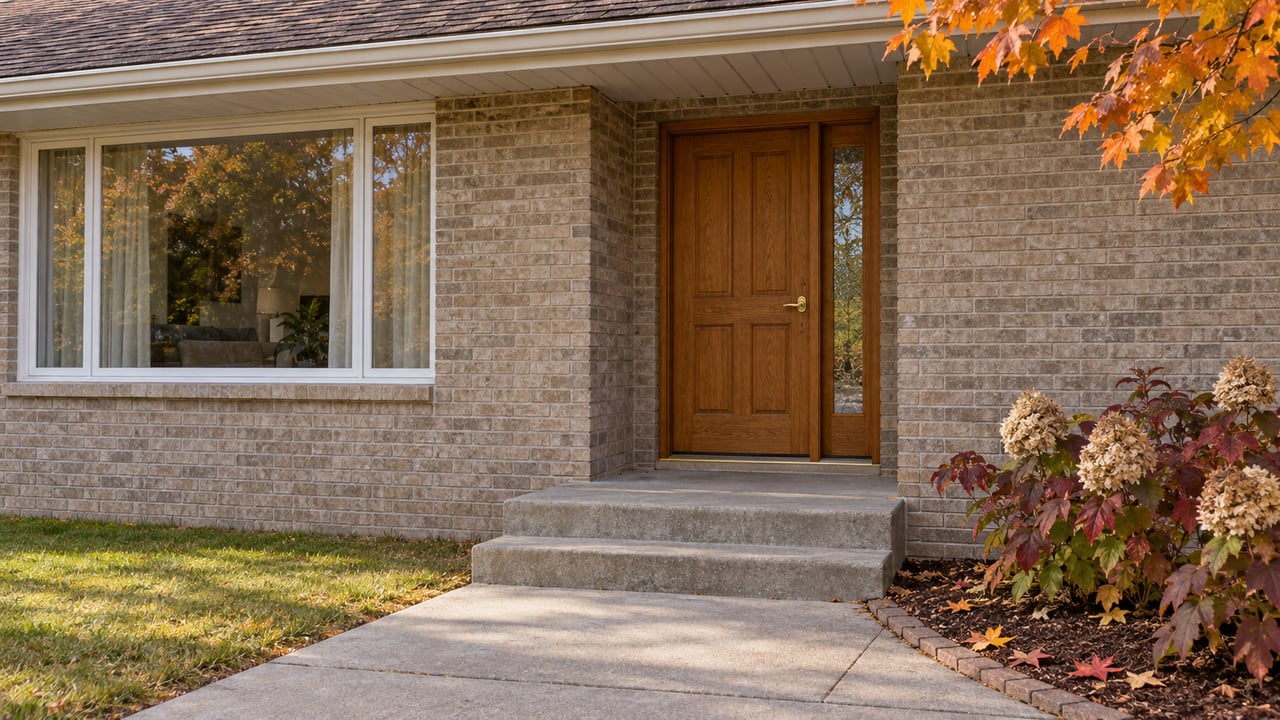
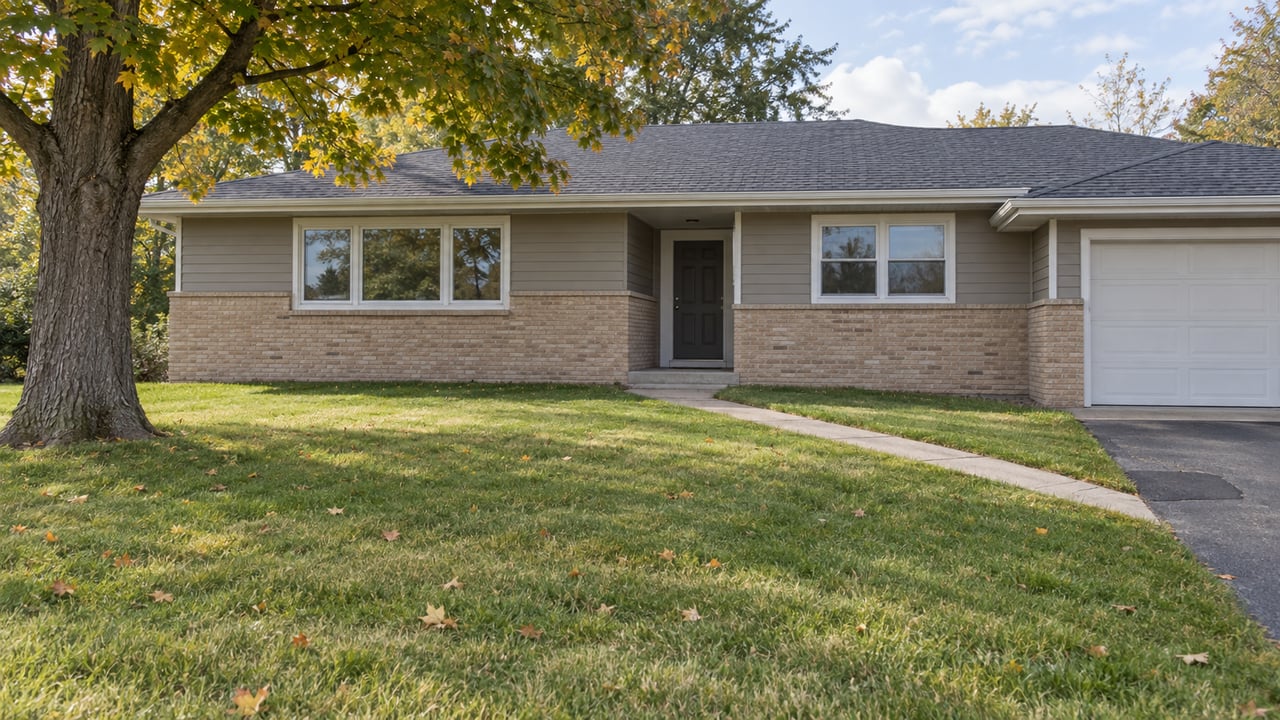
In 48083, much of the stock dates to the ranch and split-level building boom of the 1960s and 70s. Subdivisions here include Stonecrest, Springmill Pond, Bloomfield Orchards, East Town, and Parkview Estates, the last known for its colonial-style homes with rear decking and large foyers. As of the end of June 2026, the typical home value tracked for 48083 sat at $362,690, up 1.9% over the prior year, noticeably below the citywide figure.
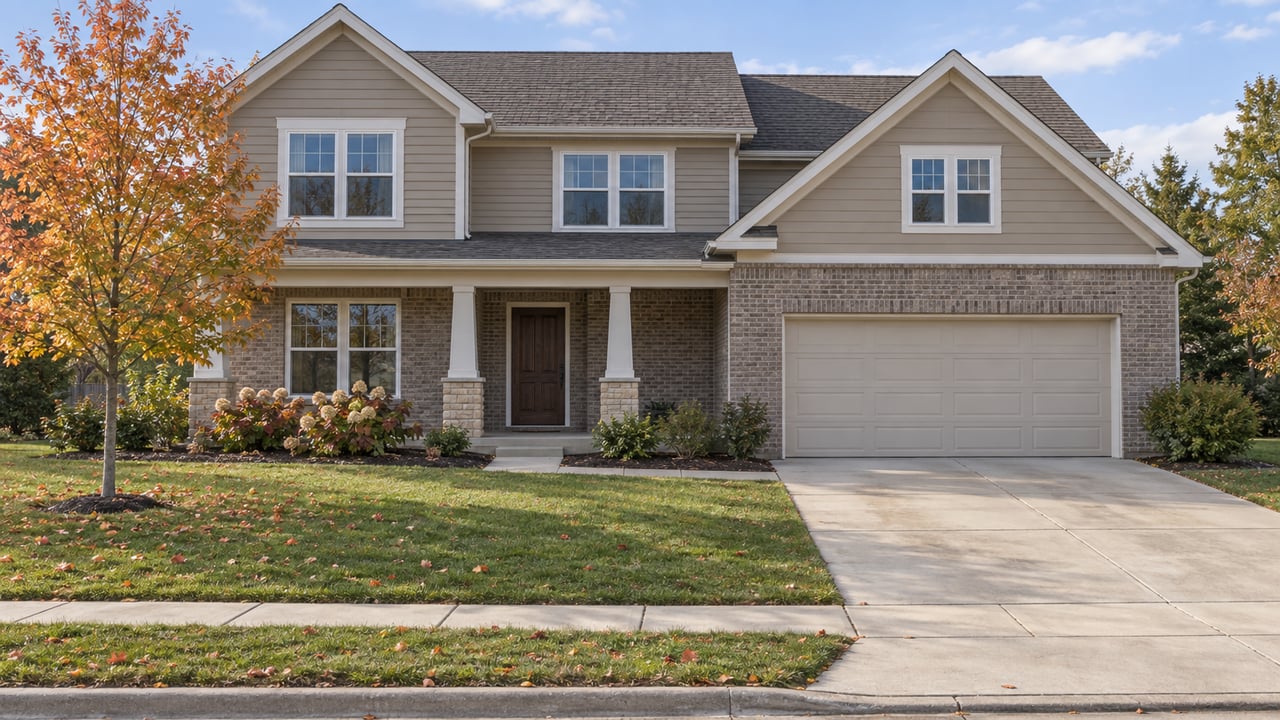
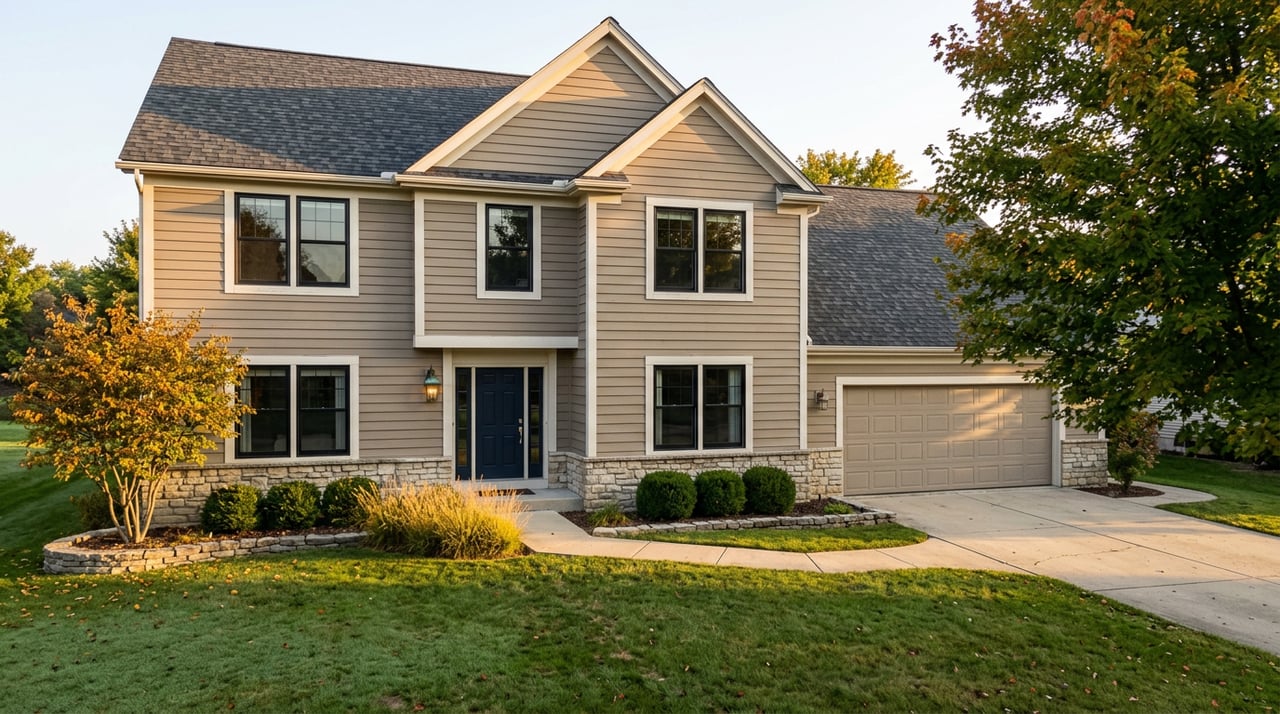
Head north toward 48098, closer to the Somerset Collection, and the vintage shifts. Subdivisions here, Raintree Village, Waterstone, Troy Woods Estates, Silver Creek, Windsor Park, Foxwood, and Somerset Place, lean toward larger executive-style construction. Somerset Place itself is a good example of what that means in practice: 115 custom-built homes with brick exteriors, a mix of cape cod, colonial, contemporary, and ranch styles, open great rooms with vaulted ceilings and skylights, and four-bedroom, three-plus-bath layouts with two-car attached garages.
The middle zips tell a similar story. 48085 includes Athens Meadows, an affluent pocket north of East Wattles Road built mostly in colonial style, along with Enclave, Hidden Ridge, Forest Glen, and Country Club Village. 48084, closer to the Big Beaver retail corridor and the Somerset Collection itself (which opened in 1969 and expanded twice, in 1992 and 1996), includes Village Green, Troy Gardens, Dorchester, and Kingswood.
Newer, larger-format construction appeared toward the north side of the city over subsequent decades, while older postwar ranch neighborhoods remained closer to the city's original core. A mortgage broker serving the area summed up the practical range well: Troy's median home prices typically run from the upper $300,000s to well over $600,000 depending on the neighborhood, with luxury properties along the Somerset corridor and in established subdivisions exceeding $1 million.
That range matters for financing, too. The 2026 conforming loan limit sits at $806,500. Shop the upper end of Troy's executive subdivisions and you may be looking at jumbo financing rather than a standard conventional loan, a detail worth sorting out before you fall for a house that changes your loan type.
The Pocket Outperforming Both Ends
Here's where the story gets a little less predictable. You'd expect the priciest zip code to also be the fastest-appreciating one. In Troy, that's not quite true.
Downtown Troy, a smaller submarket distinct from the broader 48083-48098 zip breakdown, posted a median sale price of $515,000 over the three months ending in March 2026, up 7.3% year over year. Its price per square foot ran $294, well above the broader citywide figure, which has hovered closer to $224 per square foot through 2026. That's a walkable, mixed-use pocket appreciating faster than either the older ranch neighborhoods or the newer executive subdivisions near Somerset.
The lesson isn't that Downtown Troy is automatically the better buy. It's that price level and price momentum are two different questions, and a buyer chasing appreciation should ask both, not just the one the median answers.
What This Means If You're Actually Shopping
A few things worth doing differently once you know Troy's median is really three or four medians stacked together:
- Ask what's included in any market stat you're handed. A median built from MLS sales only will run higher than one built from all closings, off-market deals included.
- Search by zip code and subdivision name, not just city. "Troy" alone spans a $275,000 gap between typical values in the oldest and newest pockets.
- If you're shopping near the top of the range, confirm early whether you're looking at conventional or jumbo financing territory.
- Treat appreciation and price level as separate questions. The priciest pocket isn't always the one gaining value fastest.
FAQ
Does living in a specific Troy zip code lock me into a certain school assignment? Zip codes and school attendance boundaries don't always line up cleanly in Troy. Boundaries are address-specific and can change, so confirm any assignment directly with the district before making an offer based on it.
Why would a home sell without ever appearing on a listing site? Estate transfers, foreclosure deeds, and some private sales between parties who already know each other close without ever being listed. These transactions are a normal part of Troy's market and are part of why tracked closing data can differ from portal-reported medians.
Is the older housing stock in zip codes like 48083 a lesser option? Not at all. Ranch and split-level homes from the 1960s and 70s make up some of Troy's most established, well-maintained neighborhoods, and many have been extensively updated. The lower typical value reflects the age and size of the original construction, not the quality of the neighborhoods themselves.
If you're trying to figure out where your budget actually lands inside Troy's range, a conversation grounded in the right zip code and subdivision beats a citywide number every time. Joan Schinderle King has spent years working these specific pockets of Troy and can walk you through what a given price point buys block by block. Reach out for a consultation, or start with a free home valuation to see where your own numbers fit into the picture.
This article is general information, not legal, tax or financial advice. Consult a qualified professional about your situation.