Buying your first home in Troy can feel like a maze. You want a smart plan, straight answers, and a team who can help you win in a competitive market without overextending your budget. In this guide you’ll learn how to move from pre-approval to closing, what costs to expect in Oakland County, how to write a strong offer, and which local assistance programs may help. Let’s dive in.
Troy market at a glance
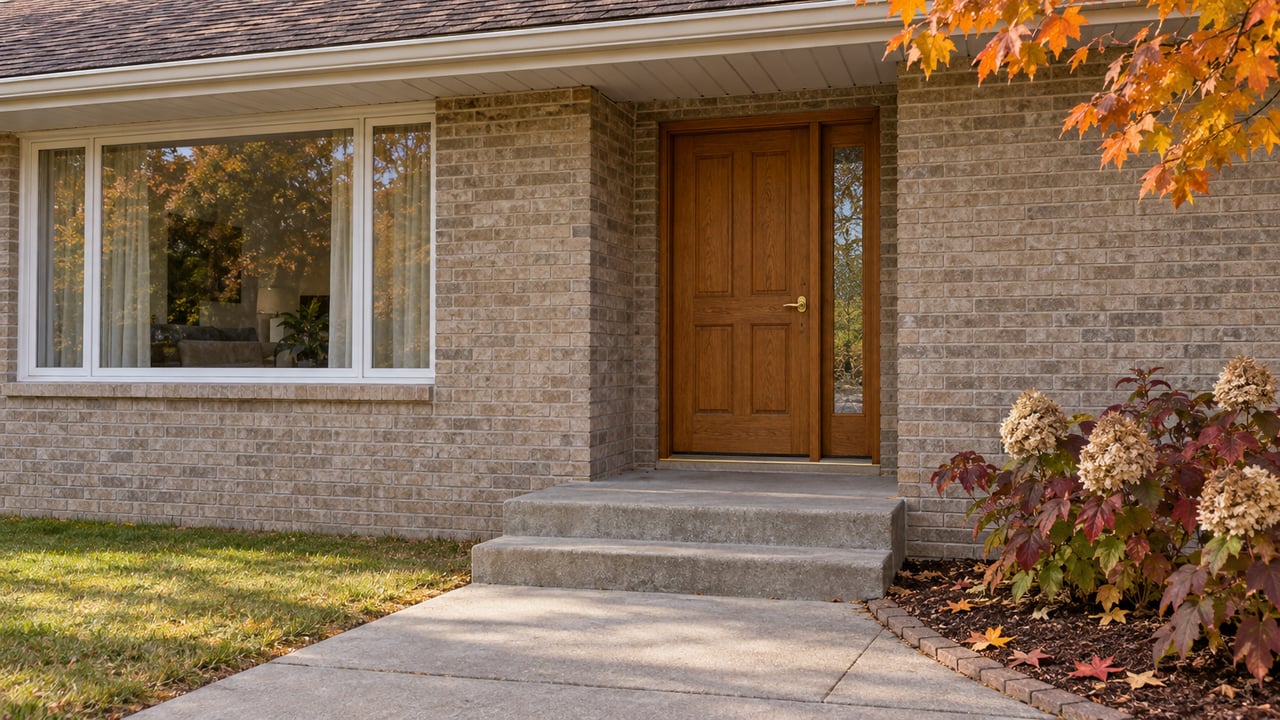
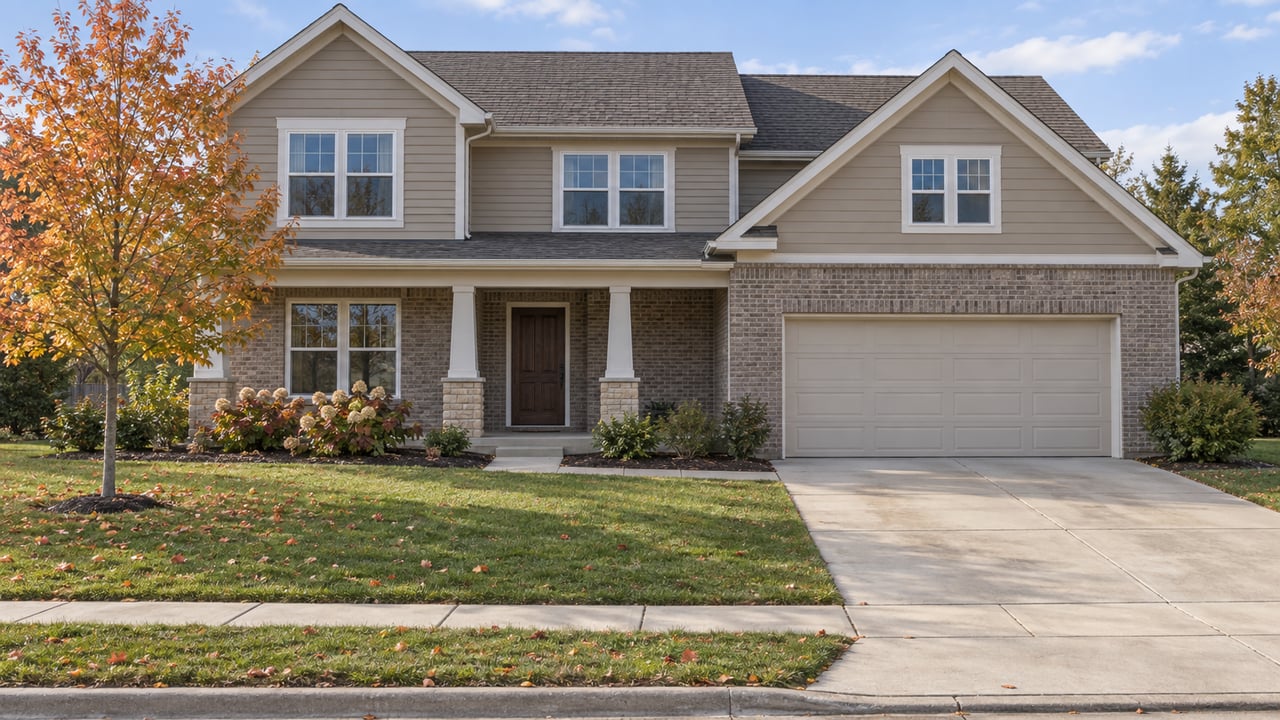
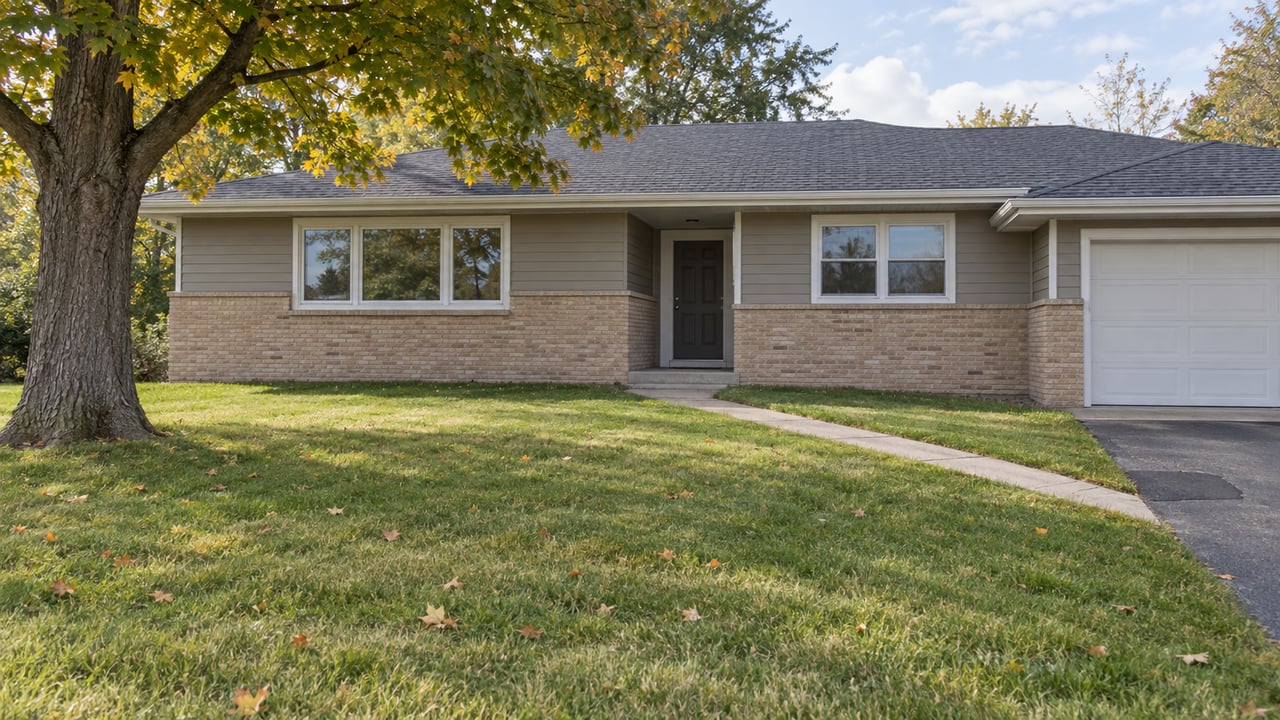
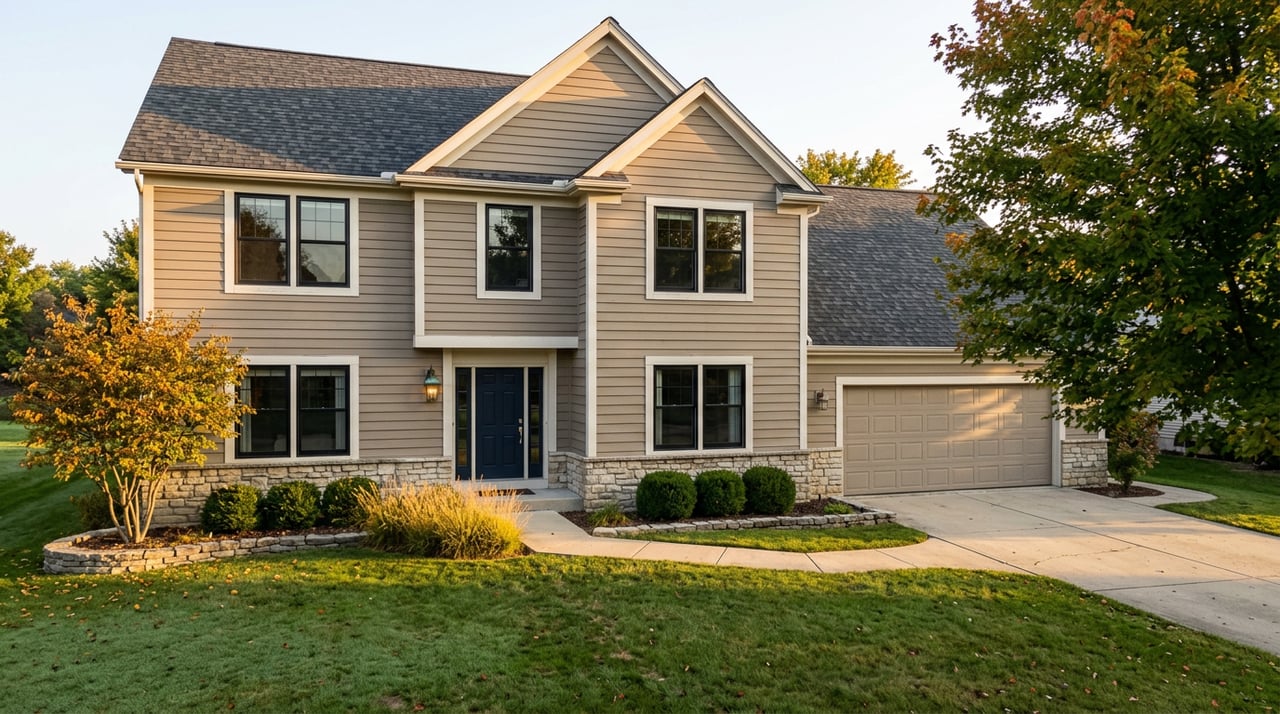
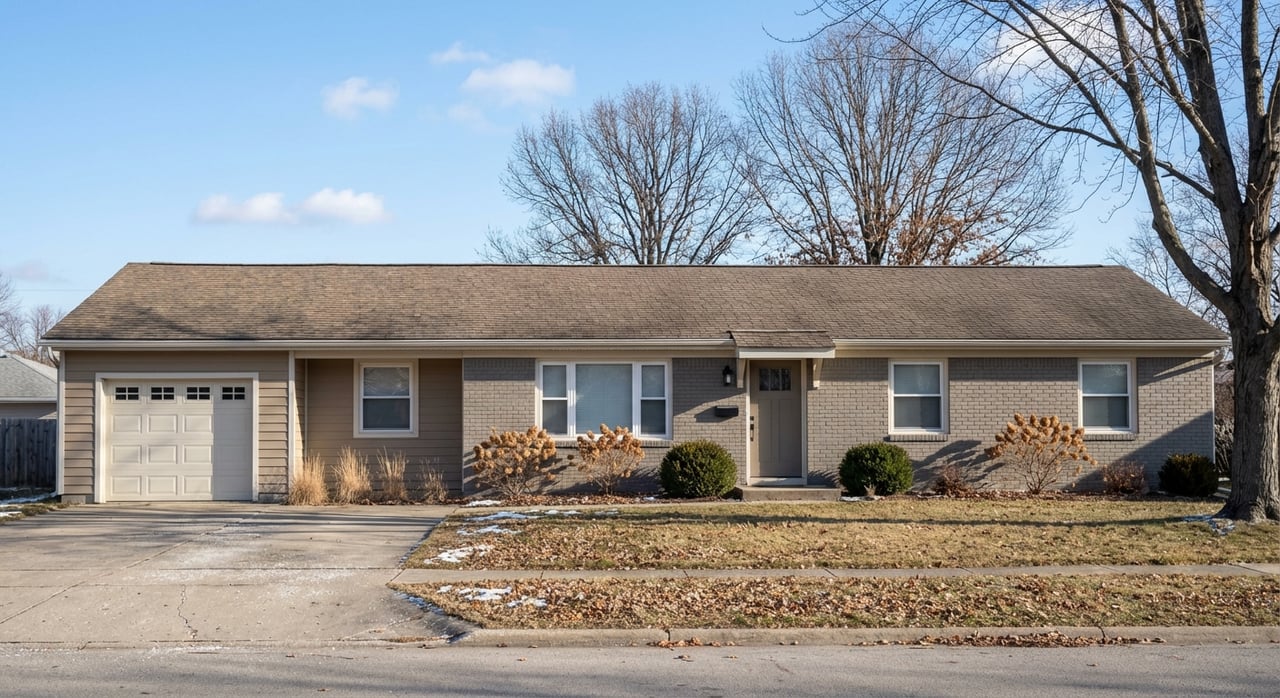
Troy is a high-amenity Detroit suburb with steady demand and convenient access to job centers and shopping. It also ranks well on Michigan livability lists, which keeps buyer interest strong year-round. You will see a mix of single-family homes and condos, with many move-in-ready options alongside well-kept mid-century ranches.
- Median sale price: About $400,000 as of Jan 2026 (Redfin).
- Market speed: Very competitive, with homes often selling in a few weeks. Redfin reported a median of about 41 days on market in Jan 2026.
- Inventory: Low to moderate for a city of Troy’s size, which supports competition.
Local draw matters. Troy’s access to retail and commuting routes, plus well-regarded schools, supports consistent demand. That is one reason you should plan financing early and be ready to act.
Step 1: Set your budget
Before you tour homes, map your total budget. Look beyond the down payment so you are not surprised at closing.
Down payment options
- Conventional low-down programs: Many buyers qualify for 3 percent down through programs like Fannie Mae HomeReady if income and credit meet rules. Review eligibility with your lender early to confirm limits and pricing. Learn more about HomeReady on Fannie Mae’s site.
- FHA: 3.5 percent down with qualifying credit. Some buyers use FHA to access more flexible credit standards.
- VA and USDA: 0 percent down for eligible borrowers and properties.
HomeReady program details: Fannie Mae HomeReady
Estimate upfront and monthly costs
Plan for more than the down payment. Typical buyer closing costs run about 2 to 5 percent of the purchase price. That covers lender fees, appraisal, title, recording, and prepaids like property taxes and insurance.
- On a $400,000 home, 2 to 5 percent totals about $8,000 to $20,000.
- Add reserves for moving, immediate repairs, or potential HOA dues if you are buying a condo.
Closing-cost overview: Bankrate guidance on closing costs
Understand Michigan property taxes
Michigan property taxes are based on Taxable Value and local millage rates. New owners often see a change when the home’s taxable value uncaps at transfer.
- Simple estimate: tax bill ≈ taxable value × total mills ÷ 1,000.
- If the home will be your primary residence, file the Principal Residence Exemption (PRE) after closing. The PRE removes up to 18 school-operating mills for eligible owner-occupied homes.
Learn more: Michigan Dept. of Treasury PRE guidance
Step 2: Get pre-approved
A verified pre-approval is your green light to shop. It tells sellers you are qualified and ready.
- Pre-qualification is a quick estimate based on what you share.
- Pre-approval is document-verified. Lenders review income, assets, debts, and credit.
- Gather pay stubs, W-2s or tax returns, bank statements, photo ID, and any bonus or commission details.
Rates matter. Freddie Mac’s survey showed the 30-year fixed near 6.1 percent in early Feb 2026. Even a small rate change can shift your monthly payment and price range. Ask your lender if a lock-and-shop option fits your plan.
Check the latest weekly average: Freddie Mac PMMS
Step 3: Hire a buyer’s agent
You deserve a clear plan and advocate from search to closing. In today’s market, you will also sign a written buyer-broker or touring agreement that explains services and how your agent is paid.
- After the 2024 NAR settlement, MLS listings often do not display buyer-agent compensation.
- Your agreement should outline duties, duration, and payment. In many deals the seller still offers compensation to buyer agents, but terms vary. If there is a shortfall, your agreement will explain your options.
Learn more about current practices: NAR settlement FAQs
Step 4: Shop with a plan
Tour with a clear list of must-haves and nice-to-haves, but stay flexible. In a competitive city like Troy, the right home might be a well-kept ranch with an updated kitchen rather than a fully remodeled two-story.
- Focus on layout, light, storage, and commute time.
- Consider total monthly cost, not just price. Factor taxes, insurance, and potential HOA dues.
- Be ready to tour quickly and write a clean, complete offer.
Step 5: Make a competitive offer
Price is only one part of a winning offer. Your terms and timelines matter to sellers.
Earnest money and timelines
- Earnest money: Commonly 1 to 3 percent of price in Metro Detroit. On a $400,000 home, that is about $4,000 to $12,000. Funds are held in escrow and apply to your purchase at closing.
- Contingencies: Typical windows are inspection in 7 to 14 days, appraisal in 7 to 21 days, and mortgage approval in 30 to 45 days. In competitive cases, tighten where you can without risking your protections.
Consider including a flexible closing date if your lender can move quickly. A little timing certainty can beat a slightly higher price.
Step 6: Inspect and protect your investment
A standard home inspection often runs about $300 to $500 for a single-family home, with extra fees for add-ons. Plan for the right tests during your contingency period.
- Radon: Michigan has elevated radon levels and the only way to know is to test. The EPA recommends mitigation at 4.0 pCi/L and encourages consideration between 2 and 4 pCi/L. Budget for mitigation if needed.
- Sewer scope, pest/WDI, mold, and chimney: Add these if the home’s age, materials, or your loan program suggests it. Some lenders or programs may require pest inspections.
Radon guidance: Michigan EGLE radon information
Step 7: From appraisal to clear to close
After you are under contract, your lender orders the appraisal. If value comes in below your offer, your agent will help you negotiate, adjust terms, or plan for a gap contribution if needed. Underwriting can add conditions, so respond to document requests quickly.
Closing costs and Michigan transfer tax
Expect lender fees, appraisal, title search, lender’s title insurance, recording, and prepaid escrows. Michigan also charges a combined state and county real estate transfer tax that is commonly calculated at $8.60 per $1,000 of the sale price, or about 0.86 percent. Local custom often has the seller paying transfer tax and the owner’s title policy, but this is negotiable.
Transfer tax reference: Michigan transfer tax overview
Local programs that can help
State and county programs can stretch your budget if you qualify. Be sure to check income and purchase-price limits early, since many Troy listings are near or above the city’s median price.
- MI 10K DPA: Offers up to $10,000 in down payment assistance statewide for eligible first-time buyers. Income, loan, and purchase-price limits apply. See program details on MSHDA’s site.
- First-Generation Down Payment Assistance: A pilot program offering up to $25,000 for eligible first-generation buyers. MSHDA reported high demand and funds can be exhausted. The pilot showed a sale-price cap of $224,500, which is below many Troy homes. Check current status before you rely on this option.
- Oakland County Homebuyer Assistance Program: County-backed grants, historically around $5,000, offered through a partner lender for qualifying first-time buyers. Verify current application windows, rules, and lender participation.
Program details:
- MSHDA MI 10K Down Payment Assistance
- MSHDA First-Generation DPA update
- Oakland County Homebuyer Assistance Program
Sample budget at $400,000
Here is a simple, conservative snapshot to help you plan. Your numbers will vary by rate, taxes, and insurance.
- Down payment: 3 percent = $12,000. 5 percent = $20,000.
- Closing costs: 2 to 5 percent = $8,000 to $20,000.
- Prepaid escrows: Often a few months of taxes and insurance. Estimate $2,500 to $4,000 as a placeholder.
- Inspections: Base inspection $300 to $500. Add radon or other tests as needed.
- Earnest money: 1 to 3 percent = $4,000 to $12,000, credited at closing.
If you plan to use a low-down program, confirm monthly mortgage insurance and any income limits. Some buyers choose to increase down payment slightly to improve pricing or reduce monthly costs.
Simple timeline: offer to keys
- Week 0: Offer accepted, earnest money deposited.
- Week 1: Inspection completed and requests negotiated.
- Weeks 1 to 3: Appraisal ordered, title work in process.
- Weeks 3 to 5: Underwriting finalizes conditions, clear to close.
- Week 5 to 6: Final walkthrough and closing. Keys in hand.
Common mistakes to avoid
- Waiting to get pre-approved until you find a home you love.
- Underestimating closing costs or skipping a repair reserve.
- Waiving key contingencies without a clear risk plan.
- Ignoring radon or pest inspections.
- Assuming a state or county program will cover your gap without verifying eligibility.
Ready to start?
Buying in Troy rewards buyers who prepare early, understand their numbers, and move with confidence. If you want a coordinated plan that ties your financing to your offer strategy, reach out for a quick consult. As a seasoned Metro Detroit realtor with mortgage expertise, I can help you line up pre-approval, target the right homes, and negotiate clean terms that fit your budget.
Have questions or want a custom game plan? Connect with Joan Schinderle King to get started today.
FAQs
How much should a first-time buyer in Troy save for closing costs?
- Plan for about 2 to 5 percent of the purchase price for buyer closing costs, plus prepaids for taxes and insurance. See a national overview from Bankrate.
Will MSHDA assistance work for Troy home prices?
- Sometimes. Programs have income and price caps. The First-Generation DPA pilot showed a $224,500 cap, which is below many Troy listings. Check current limits and availability on MSHDA’s pages before you shop.
Do I need to test for radon during my Troy home inspection?
- Yes. Michigan has elevated radon prevalence and testing is the only way to know. Mitigation is recommended at 4.0 pCi/L and can be considered between 2 and 4 pCi/L. See Michigan EGLE for guidance.
What is the Michigan Principal Residence Exemption and how do I claim it?
- The PRE reduces property taxes on your owner-occupied primary home by removing up to 18 school-operating mills. File the PRE affidavit with the local assessor after closing. Details are on the Michigan Treasury PRE page.
What changed with buyer-broker agreements after the NAR settlement?
- Many boards now require a written agreement before touring and MLS listings may not display buyer-agent compensation. Your agreement explains services, duration, and how your agent is paid. See the NAR FAQs for more.