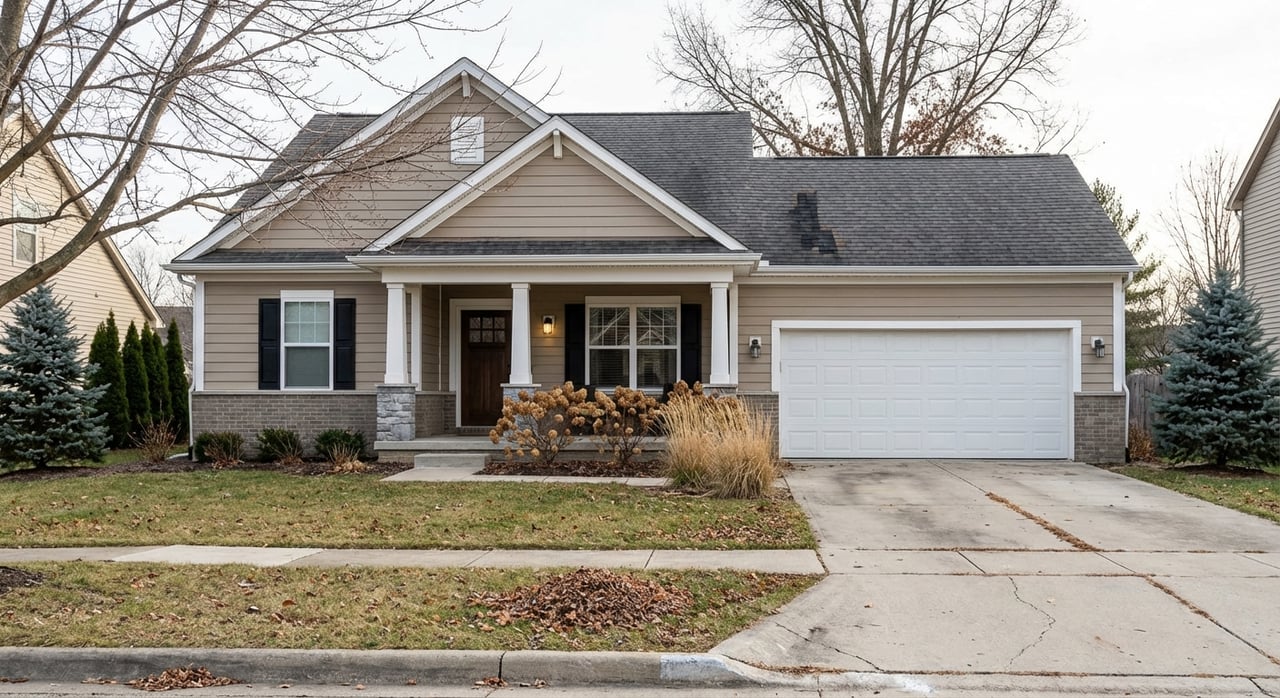
Trying to choose between Troy and the Macomb County suburbs? You are not alone. Most buyers weigh the same tradeoffs: price, schools, commute, taxes, and yard size. In a few minutes, you will see the core differences with current numbers, plain-English tax tips, and a quick checklist to narrow your search. Let’s dive in.
Price and value snapshot
Prices set the tone for everything else. Here is how they compare, using late 2025 to early 2026 data.
Troy prices
Troy’s typical home value sat around $440,080 as of January 2026, based on Zillow’s Home Value Index. Redfin’s December 2025 median sale price was about $433,750. These figures place Troy above many neighboring communities and reflect strong demand and amenities.
Macomb County prices
Macomb County’s overall median sale price came in much lower, around $260,000 in December 2025 per Redfin. Other portals reported a similar range at the end of 2025. The gap means you usually get more choices under $350,000 in Macomb County than in Troy.
Commute and access
Commute time affects daily life. According to U.S. Census QuickFacts, Troy’s mean travel time to work was about 24.6 minutes in recent data covering 2019 to 2023. You can see the Troy figure on Census QuickFacts. Macomb County’s mean travel time was about 26.3 minutes for 2020 to 2024.
Troy sits along I‑75 with Big Beaver, Coolidge, and Rochester Road as major corridors, and it is an employment hub in its own right. Macomb suburbs have strong access to I‑94, M‑59, and 21‑23 Mile corridors. Direction matters. If your job is on the I‑75 corridor, Troy often shortens the drive. If you work farther east or northeast, parts of Macomb can be more convenient.
Pro tip: map your own peak-hour test drives for your likely destinations, such as work, daycare, the airport, and your go-to hospital.
Taxes and total cost of ownership
Michigan’s tax system matters for your long-term cost. In 1994, Proposal A created the state education tax, the Principal Residence Exemption for owner-occupied homes, and a cap on how fast a property’s taxable value can grow until it transfers. You can read a plain-English overview of the framework in the Proposal A summary. The big takeaways for you:
- Your annual bill depends on both market value and taxable value. Long-time owners may pay less than a new buyer of a similar home because of the taxable-value cap.
- Millage rates stack by city, county, school district, and other local levies. Two similar homes in different school districts can have different bills.
Effective county-level rates in recent analyses place both Oakland and Macomb counties a bit above the national median and fairly close to each other. Published ranges are about 1.2 to 1.4 percent in Oakland and about 1.28 to 1.42 percent in Macomb. Your actual bill will depend on the specific millage for your address and your home’s taxable value.
Helpful tools:
- Check Troy’s current millage components using the city’s official table at the City of Troy millage rates.
- Run a quick estimate with the Michigan property tax calculator.
Tip for new buyers: ask your agent and lender to model taxes using the expected purchase price and current millage for your exact school district. If the property is not currently homesteaded or is newly built, your first-year bill can differ from online estimates.
Schools and programs
Families often start with school questions. Keep it neutral and specific. District boundaries can change, and not every address goes to the same schools within a city.
Troy School District
Troy is well known for strong academics. Troy High School earns top marks on Niche’s statewide comparisons. Check the latest data for Troy High School on Niche. If schools are a top priority for you, confirm the attendance area for any home you consider.
Strong options in Macomb County
Macomb is a patchwork of districts. Several communities offer competitive academics and specialized programs, including Utica Community Schools and Chippewa Valley Schools. Review current info on Utica Community Schools and Chippewa Valley Schools. If you want AP, IB, CTE, or magnet options, compare specific schools rather than just city names.
How to evaluate:
- List your must-haves, such as AP or IB courses, CTE pathways, or certain extracurriculars.
- Compare district pages and independent data sources for program depth and test scores.
- Verify attendance zones for the exact property address before you write an offer.
Lot size and housing styles
Yard space and privacy differ by area and era of construction.
- Macomb mid-century subdivisions, such as parts of Sterling Heights and Clinton Township, often show standard-size lots around 60 by 120 feet, roughly 0.16 to 0.18 acres. These neighborhoods deliver manageable yards and value pricing.
- Troy is more mixed. You will find modest lots in older subdivisions and also many established neighborhoods with larger parcels, often 0.3 to 0.7 acres, and some pockets with even more land. The larger-lot options contribute to Troy’s higher median price.
If a bigger yard is on your list, focus on select Troy corridors and outer Macomb townships. If lower maintenance is the goal, many Macomb subdivisions fit well.
Lifestyle and amenities
Both areas serve classic suburban living, but with a different feel.
- Troy concentrates retail, medical, and office uses, including the Somerset retail corridor and nearby healthcare. That can mean shorter drives for errands and services.
- Macomb suburbs often offer more single-family inventory and price range, plus access to large parks and recreation in several townships. If you want value and selection, Macomb can be appealing.
Quick decision checklist
Use these questions to steer your search fast.
- Budget and price point. If you want the widest choice under about $350,000, lean Macomb. If you can pay a premium for top amenities and programs, include Troy.
- Schools. If a top-ranked public high school reputation is non-negotiable, prioritize Troy and confirm boundaries. In Macomb, target specific districts and attendance zones with the programs you want.
- Yard size. For larger private lots, look at select Troy neighborhoods or outer Macomb townships. For lower maintenance at a lower entry price, many Macomb subdivisions fit.
- Commute. If your employer is on the I‑75 corridor or within Troy itself, living in Troy usually reduces drive time. If you work east or northeast, consider Macomb communities near I‑94 or M‑59.
- Taxes and ownership cost. Model your first-year tax bill using current millage and the expected purchase price. Remember the taxable-value cap resets for new buyers and that local school levies can swing totals.
What this means for you
If you want strong schools and larger-lot options with a central commute, Troy belongs on your shortlist. If you want more buying power and a broad mix of neighborhoods under $350,000, Macomb County’s suburbs deserve a close look. The right choice comes down to your must-haves, commute patterns, and budget comfort.
When you are ready, pair your home search with clear financing steps so you can act quickly on the best homes. With coordinated mortgage guidance and local market experience, you can compare neighborhoods with real numbers, set a confident offer strategy, and close on time without surprises.
If you would like a tailored comparison for your price range and commute, connect with Joan Schinderle King for a friendly, data-informed strategy session.
FAQs
What are current home prices in Troy vs Macomb County?
- As of late 2025 to January 2026, Troy’s typical value was about $440,080 and its December 2025 median sale price was about $433,750, while Macomb County’s median sale price was around $260,000. Figures come from major real estate market trackers cited in this article’s research.
How do Michigan property taxes work for new buyers?
- Michigan’s system ties your bill to taxable value, which is capped while you own the home and typically resets near market value when you buy. Check local millage totals, such as the City of Troy millage rates, and model an estimate with the Michigan property tax calculator. For background, see the Proposal A summary.
Which Macomb districts compare well with Troy schools?
- Several Macomb districts are strong, including Utica Community Schools and Chippewa Valley Schools. Compare programs and attendance zones school by school, and review Troy’s standing via Troy High School on Niche.
How do commutes differ between Troy and Macomb suburbs?
- Recent U.S. Census averages show Troy at about 24.6 minutes and Macomb County at about 26.3 minutes. Your actual time depends on route and direction. Test peak-hour drives to your workplace and daily stops. See Troy’s figure on Census QuickFacts.
Where will I find larger yards?
- Many mid-century Macomb subdivisions have lots around 0.16 to 0.18 acres. Troy’s housing stock is more varied, with many neighborhoods offering 0.3 to 0.7-acre parcels and some larger. If you want more space, target select Troy areas and outer Macomb townships.