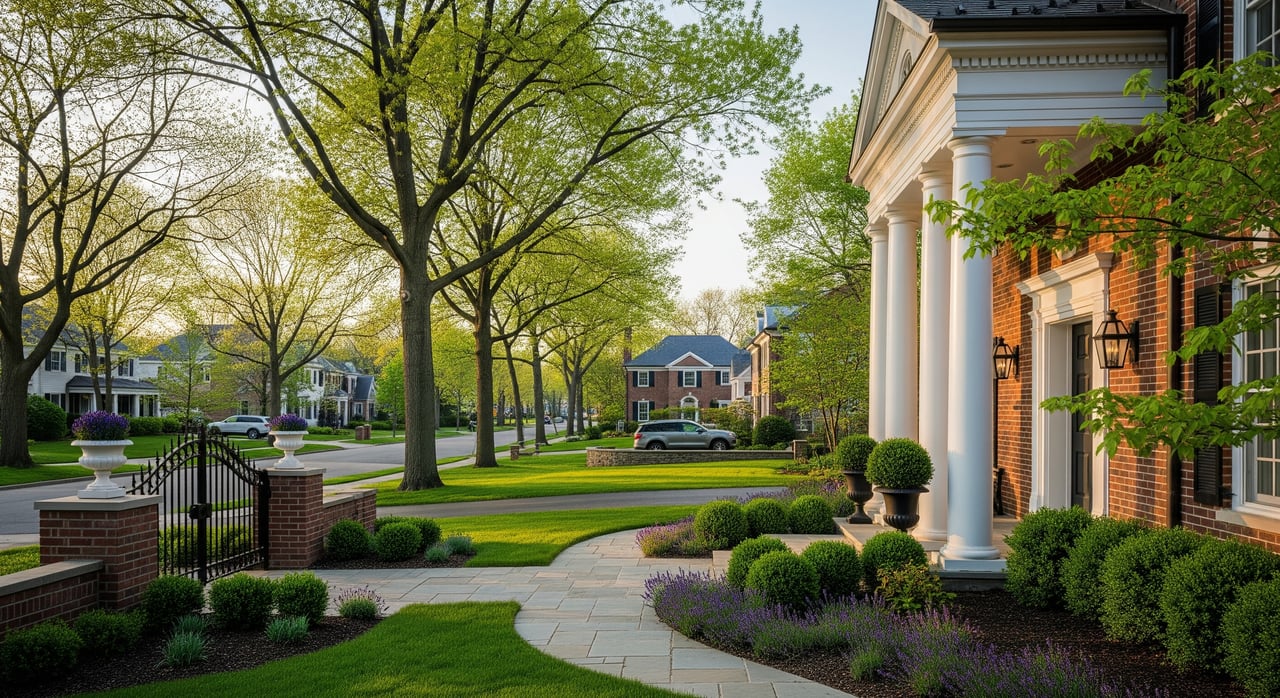
Thinking about a move to Troy, Michigan? You want great schools, easy shopping, reasonable commutes, and a home that fits your budget and lifestyle. Troy often checks those boxes for many buyers and sellers across Metro Detroit. In this guide, you will learn how Troy’s neighborhoods differ, what to know about schools, how commuting works, and what daily life feels like so you can decide with confidence. Let’s dive in.
Why Troy stands out
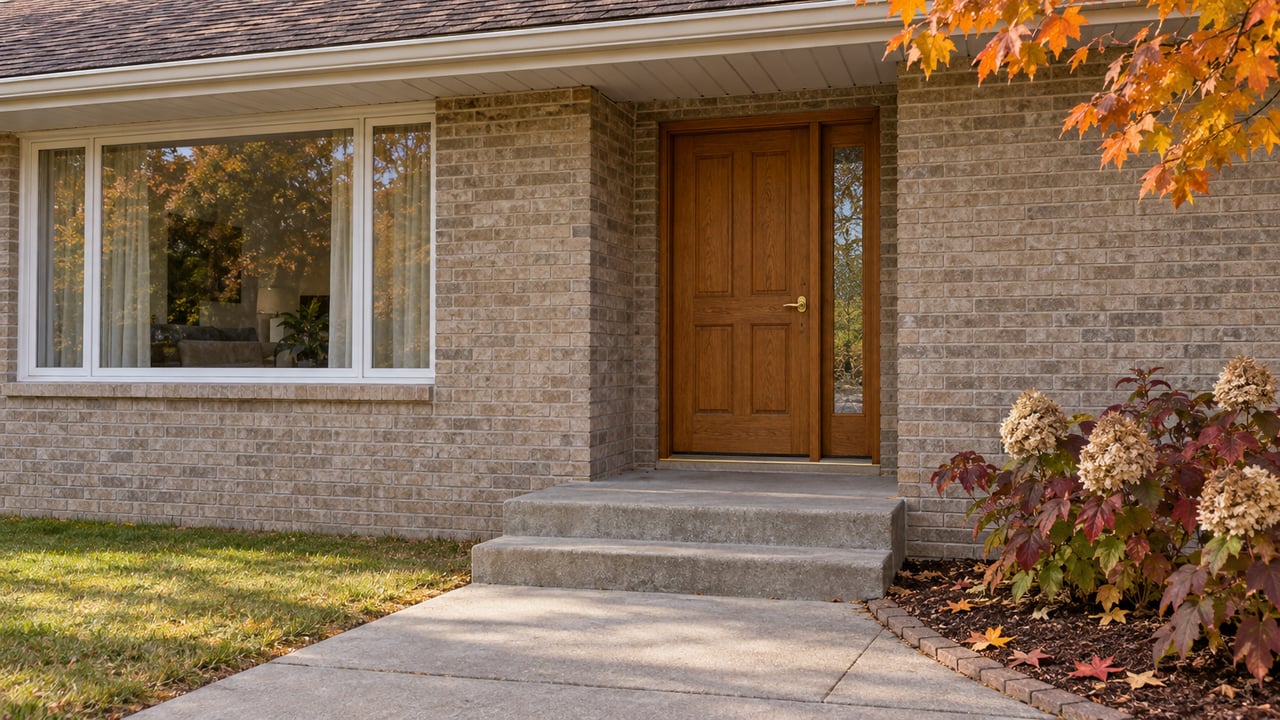
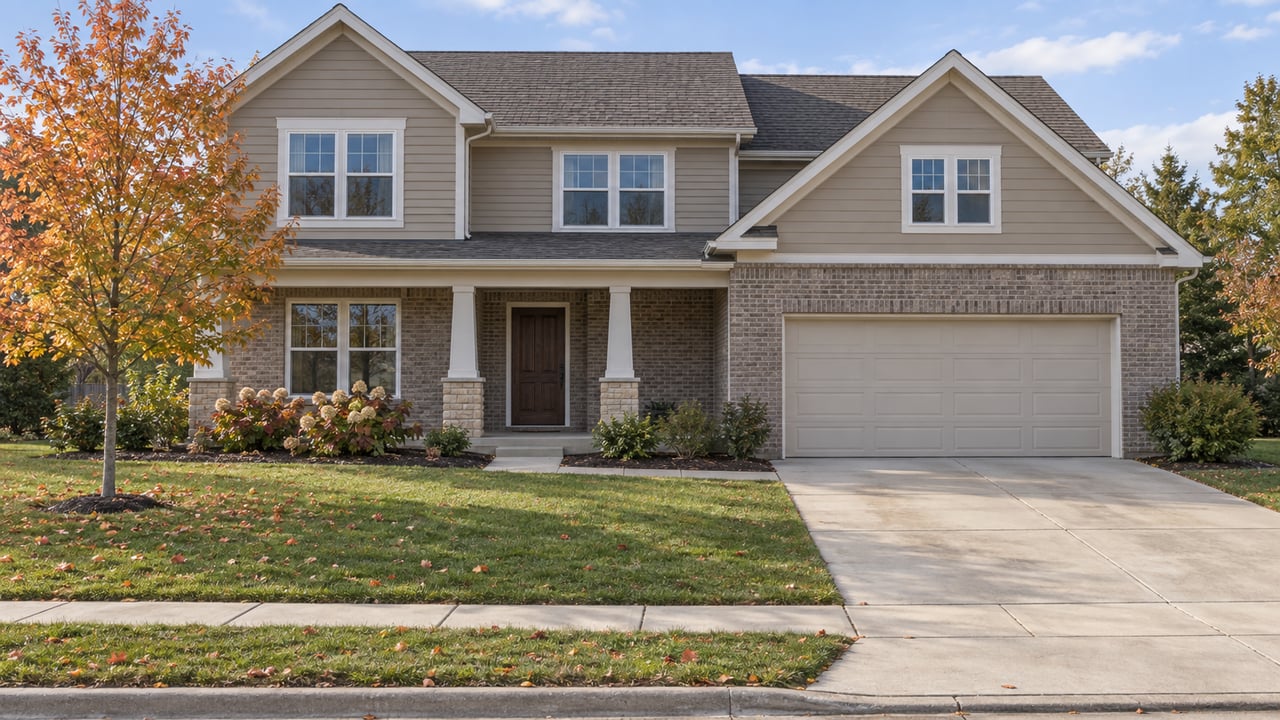
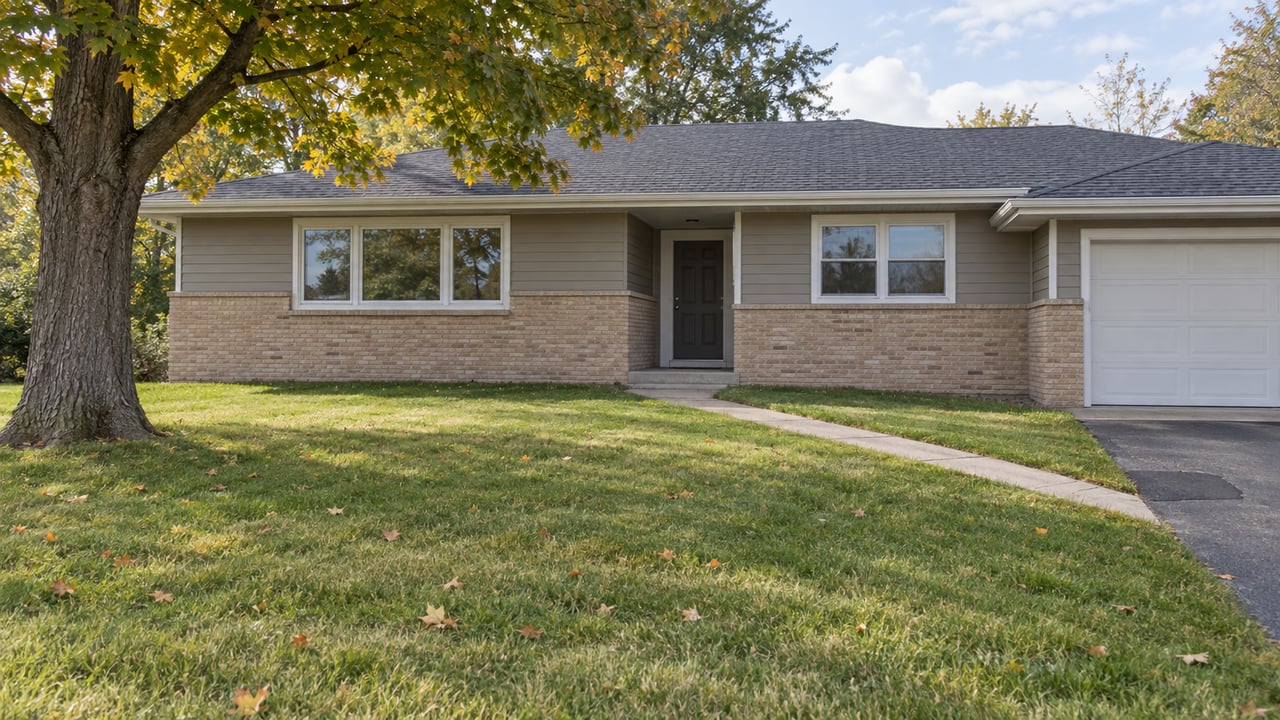
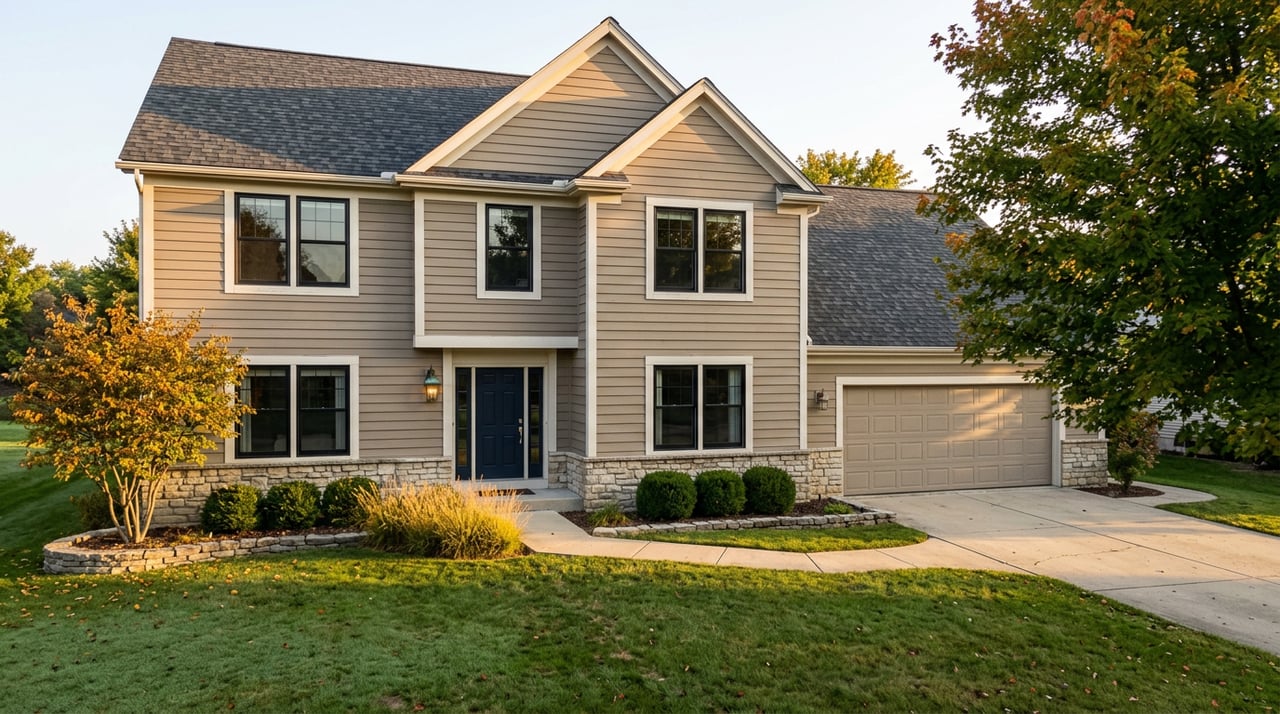
Troy is an established Oakland County suburb with a strong mix of housing, jobs, and amenities. Many people choose it for well-regarded public schools, convenient retail and dining, and a stable residential feel. You will find everything from mid-century ranches and colonials to newer subdivisions and townhomes.
If you value proximity to shopping and major roads, central Troy is efficient. If you prefer quieter streets with mature trees, you will find them in older neighborhoods to the south and west. If you need a newer home with contemporary finishes, look to northern and outer-edge subdivisions.
Neighborhood snapshots
Each part of Troy brings a different mix of housing, lot sizes, and access to amenities. Boundaries and school zones can shape value and resale, so plan to verify them before you buy.
Central Troy near Big Beaver/Maple
- What it is: Commercial corridors, office parks, and quick access to retail, restaurants, and services.
- Why it works: Shorter local drives for errands and dining. Good for buyers who want convenience and less time in the car for daily tasks.
- Housing vibe: Nearby areas include condos, townhomes, and single-family streets with a range of ages and styles.
Somerset Collection corridor
- What it is: A high-end retail destination with luxury department stores and specialty shops.
- Why it works: If you want upscale shopping and dining close by, this area is hard to beat.
- Housing vibe: Surrounding neighborhoods are typically well maintained and often price above the city median.
South and west residential streets
- What it is: Established single-family neighborhoods with mature trees and a traditional suburban feel.
- Why it works: Many buyers like the yard space and classic street patterns.
- Housing vibe: Mid-century ranches and colonials are common, creating opportunities for renovation and long-term value.
Northern and peripheral subdivisions
- What it is: Newer construction and planned subdivision layouts.
- Why it works: You get contemporary finishes and neighborhood amenities that appeal to today’s lifestyles.
- Housing vibe: Larger homes and newer builds, often at higher price points than older areas.
Townhome and condo clusters
- What it is: Smaller-lot or maintenance-friendly living near major corridors.
- Why it works: Ideal if you want less yard work and quick access to commuting routes, services, and dining.
- Housing vibe: A range of sizes and price points, with trade-offs on space versus convenience.
Schools and education
Most of Troy is served by the Troy School District, which is a major draw for many households. Public high schools and many elementary and middle schools are commonly recognized for strong academics and extracurriculars. College-prep options like Advanced Placement courses are widely available. In addition to public options, you will find private and parochial schools in and around Troy.
Use these tips to verify details before you buy:
- Confirm exact school boundaries with the district and county GIS maps.
- Review recent performance data using the Michigan Department of Education report cards.
- Ask about preschool, daycare, special education services, and busing policies since they vary by grade and distance.
Keep in mind that school zones can affect pricing and resale. If schools are a top priority, make boundary confirmation part of your offer due diligence.
Parks, recreation, and amenities
Troy offers a mix of municipal parks, neighborhood playgrounds, athletic fields, and nature areas. You can find walking paths, open spaces, and recreation programming for all ages. The public library, community center activities, and seasonal events bring people together.
You also have a healthy fitness and wellness scene, from private gyms to local classes. Regional lakes, trails, and outdoor destinations across Oakland County are within a reasonable drive if you enjoy weekend adventures.
Commuting and access
Most residents drive, and overall the city is auto-oriented. Major roads connect you to downtown Detroit and other Oakland County job centers. Rush-hour congestion can affect timing, so test your route during actual commute hours.
- Typical local commutes: Often 15 to 35 minutes depending on origin and destination.
- To downtown Detroit: Plan for roughly 20 to 45 minutes or more with traffic, depending on time of day and where you start in Troy.
- Public transit: The SMART regional bus system serves parts of the metro area; confirm current routes and schedules for your specific commute.
- Air travel: Detroit Metropolitan Wayne County Airport (DTW) is the region’s primary commercial airport.
Parking is generally straightforward at shopping areas and offices, with pockets of walkable retail near central corridors. If daily errands on foot matter to you, focus your search near those nodes.
Housing and market basics
You will find a wide range of homes in Troy, from mid-century ranches and colonials to larger executive homes and newer construction. Condos and townhomes provide lower-maintenance options.
- Pricing: Home prices in Troy are generally above county and state medians, reflecting demand for schools and amenities. Prices vary by neighborhood, age, and condition.
- Inventory: Well-located, renovated homes, and properties inside sought-after school boundaries can move quickly. New construction exists but is more limited than in outer-ring suburbs.
- Taxes: Property taxes are influenced by local millage rates and Michigan’s assessment rules. Always check current rates and any exemptions with Oakland County and the City of Troy before you buy.
- Financing: Most buyers use standard mortgage options. First-time buyer assistance may be available through state or county programs, so talk with a lender early.
If you are selling, recognize that demand differs by price band and location. Homes in top-performing school zones or near amenities often see strong interest, while properties needing updates may benefit from strategic improvements before listing.
Lifestyle and community feel
Daily life in Troy blends suburban stability with robust shopping and dining. You can handle errands efficiently and enjoy a wide range of restaurants, from local favorites to national brands. The presence of a major luxury mall draws regional shoppers and supports a steady daytime population.
Neighborhood activity varies. Some streets feel quiet and residential, while areas near central corridors are busier. Sidewalks and parks support casual walks and playtime, and community programming provides options for both families and older adults. Overall, Troy’s mix of services and schools makes it a practical base for many stages of life.
Is Troy right for you? A quick checklist
Use this simple checklist to clarify your priorities and evaluate fit:
- Schools: Do the boundary maps align with your target campuses? Have you reviewed the latest state report cards?
- Commute: Have you tested your route during peak hours and compared times for alternative corridors?
- Budget: Have you reviewed current median prices and set expectations by neighborhood and home age/condition?
- Home type: Do you prefer an older home with character and a larger lot, or newer construction with modern layouts?
- Lifestyle: Do you want quick access to shopping and dining, or a quieter street farther from main corridors?
- Maintenance: Would a condo or townhome better match your time and budget for upkeep?
How to pick your Troy neighborhood
Follow these steps to narrow your search with confidence:
- Map your daily life. Plot schools, workplaces, grocery stores, and activities. Focus on neighborhoods that reduce your weekly drive time.
- Verify boundaries. Confirm school zones, city limits, and any HOA rules for your target streets.
- Compare housing ages and costs. Look at recent sales to understand pricing for renovated versus as-is properties.
- Test the commute. Drive the route at your actual commute times to validate timing and parking.
- Walk the area. Visit parks and retail nodes nearby to gauge convenience and noise levels.
- Plan for taxes and utilities. Ask the county and city about current millage rates, assessments, and typical utility providers.
- Align financing early. Get preapproved and explore first-time buyer or special programs if applicable.
How Joan helps buyers and sellers in Troy
Choosing the right home in Troy often comes down to the details: exact school boundaries, the trade-off between lot size and location, and a financing plan that keeps your timeline on track. With decades of Metro Detroit experience and licensed mortgage originator credentials, Joan provides coordinated guidance from search and pricing to loan and closing.
What you can expect:
- Neighborhood-level advice tailored to your goals and budget
- Clear analysis of pricing, condition, and likely competition before you write an offer
- Seamless financing coordination to keep your deal moving
- Skilled negotiation and step-by-step communication through inspections and closing
If you are selling, Joan’s full-service marketing and data-informed pricing help you capture demand across Troy’s most active buyer segments. If you are buying, you will get practical, timely advice that helps you act with confidence in a competitive market.
Ready to talk through your next move in Troy? Connect with Joan Schinderle King to get a personalized plan.
FAQs
Are Troy, MI schools considered strong?
- Most public schools in Troy are widely regarded as strong. Confirm performance with the Michigan Department of Education report cards and verify boundary lines with the Troy School District.
What are typical commute times from Troy?
- Local commutes within Oakland County often run 15 to 35 minutes. Drives to downtown Detroit can range from about 20 to 45 minutes or more depending on traffic and start point. Test your route during peak hours.
Is Troy, MI expensive compared with nearby areas?
- Home prices in Troy are generally above county and state medians, but costs vary by neighborhood, home age, and condition. Review recent sales to align expectations with your budget.
Which Troy neighborhoods fit a low-maintenance lifestyle?
- Townhome and condo communities near major corridors offer easier maintenance and quick access to services. Compare HOA rules, fees, and amenities across options.
How do I confirm school boundaries before buying?
- Use the district’s official boundary maps and county GIS tools, and include boundary verification in your purchase contingencies.
What should first-time buyers know about financing in Troy?
- Get preapproved early, ask about first-time buyer assistance at the state or county level, and review estimated taxes based on current millage rates to understand your monthly payment.