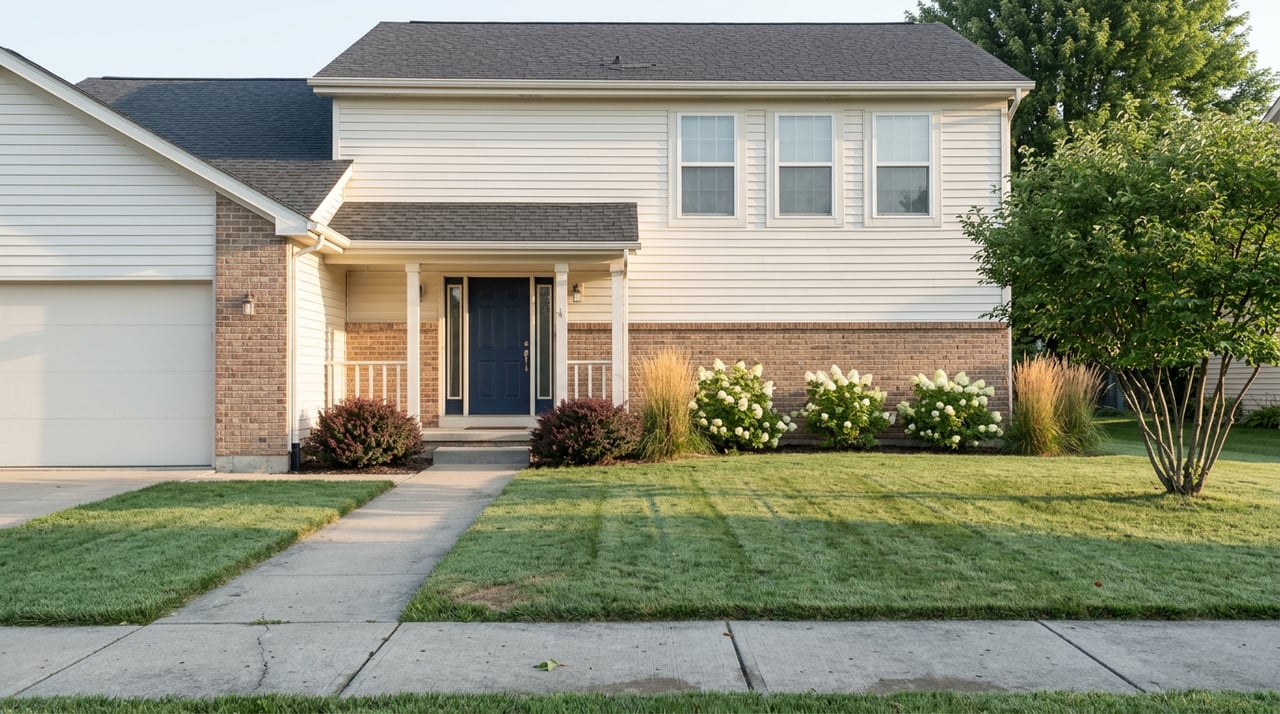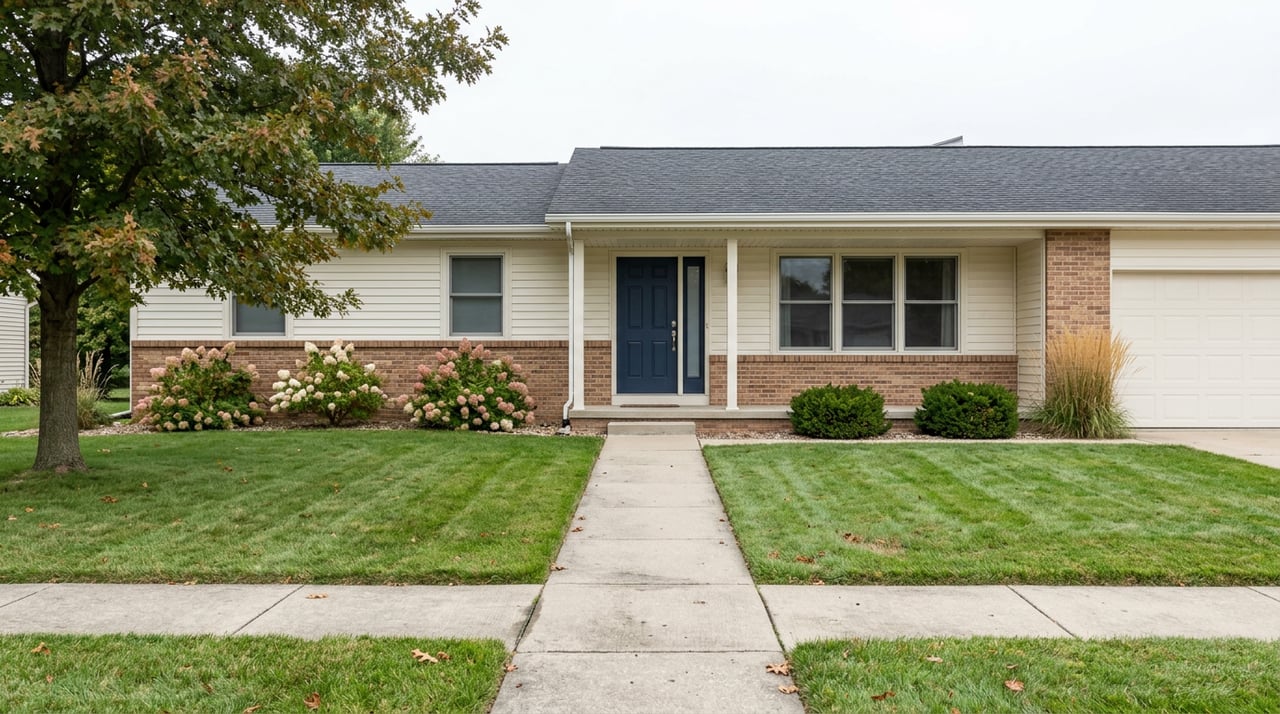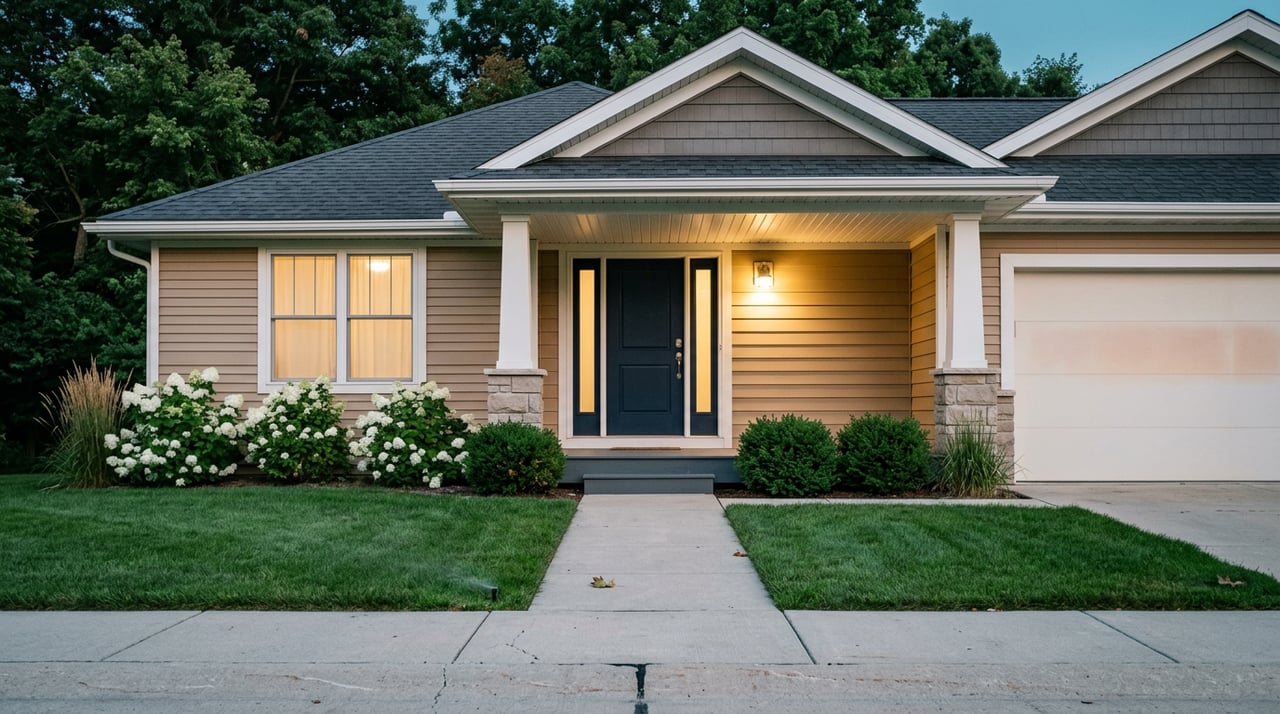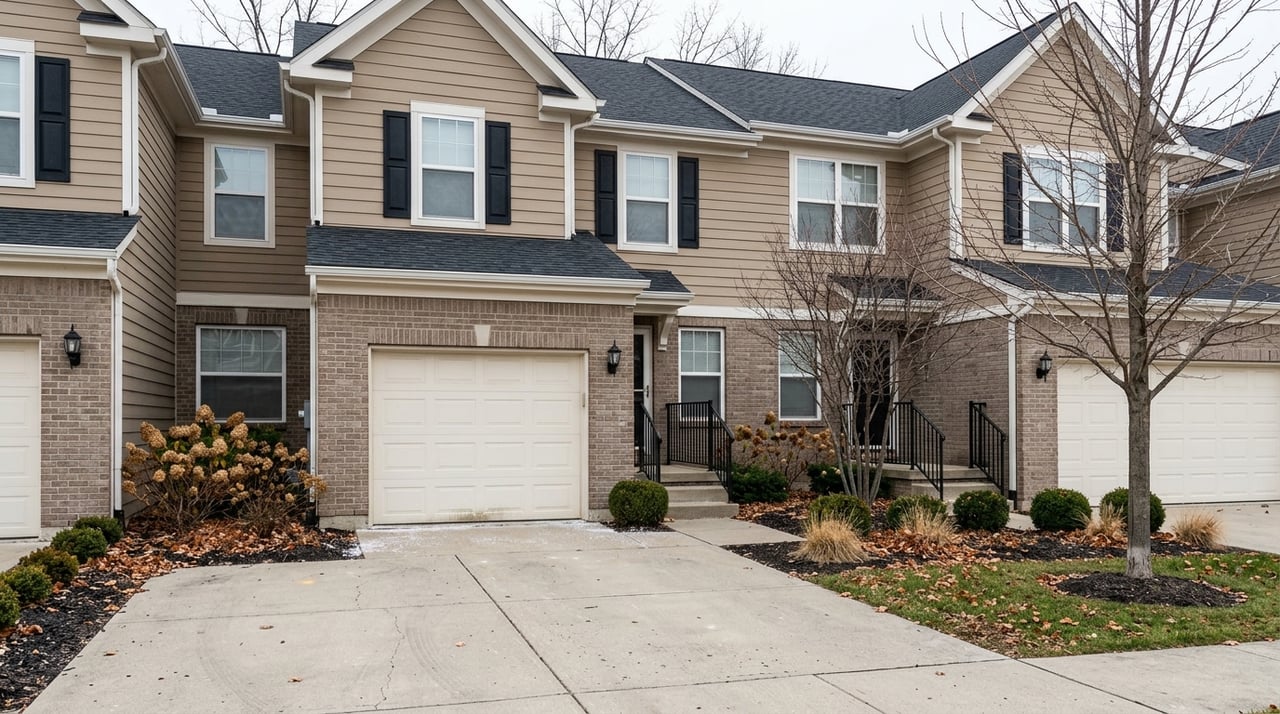
Buying a condo or townhome in Troy can look simple at first glance, but the details matter more than many buyers expect. Two homes may look similar from the street while having very different ownership rules, monthly costs, and financing paths. If you want to compare communities with confidence, this guide will help you understand what to review before you make an offer. Let’s dive in.
Condo vs. townhome in Troy
When you shop in Troy, the word townhome describes a style more than a legal structure. A townhome may be part of a condominium, a planned community, or another ownership setup depending on the project documents.
In Michigan, the key legal framework for a condo is found in the recorded master deed, bylaws, and condominium subdivision plan. Those documents spell out how the property is legally organized, what counts as a unit or limited common element, and how the project is governed. For you as a buyer, that means the paperwork matters just as much as the floor plan.
A practical way to think about it is this: a Troy townhome may look like a traditional attached home, but financing, dues, and maintenance responsibilities can still work like a condo. That is why it is smart to confirm the ownership structure early, before you assume the home will be financed or managed like a detached house.
Monthly costs to compare first
One of the biggest mistakes buyers make is focusing only on the mortgage payment. With condos and many townhome communities, your true monthly cost includes more than principal, interest, taxes, and insurance.
Condo owners usually pay HOA or condo fees separately from the mortgage payment. Those dues are part of your regular carrying costs and can cover shared maintenance, common-area insurance, reserve funding, and in some communities water, sewer, trash, or amenities.
Troy buyers should also remember that property taxes can vary from one unit to another. The City of Troy notes that total tax burden depends on city, county, and school millages, and school millage rates can vary by district and by principal-residence-exemption status. In real terms, two similarly priced condos can have different monthly ownership costs once taxes and dues are added in.
Before you narrow your list, compare these line items side by side:
- Mortgage payment estimate
- Monthly HOA or condo dues
- Property taxes for the exact parcel
- Insurance costs not covered by the master policy
- Any known special assessments
- Parking or storage fees, if applicable
Condo documents buyers should review
If you are buying a condo or condo-style townhome in Troy, the association documents deserve close attention. Michigan law requires important project records to be available for examination, and the bylaws must explain how the project is run, how records are kept, and how annual financial statements are distributed.
The most useful items for buyers usually include the master deed, bylaws, current budget, reserve information, insurance coverage, and any notices of current or upcoming special assessments. These documents tell you how the community operates and where your money is going.
This is one area where a careful review can help you avoid surprises after closing. A beautiful unit can still become a stressful purchase if the association is underfunded, dealing with major repairs, or planning a large assessment.
Key questions to ask the association
Use a simple checklist when you review a Troy condo community:
- What do the monthly dues cover?
- How much money is in the reserve fund?
- Is there a reserve study?
- Are there any current or planned special assessments?
- What does the master insurance policy cover?
- Are parking spaces assigned, deeded, or first come, first served?
- Are there rules on exterior or interior modifications?
- Are there rental restrictions?
These questions matter because dues and special assessments are enforceable project obligations under Michigan law. In other words, you do not get to opt out just because you do not use a shared feature.
Why reserve funds and assessments matter
Reserve funds are money set aside for future replacement of common property. Think roofs, pavement, exterior elements, and other shared components that wear out over time.
A healthy reserve fund can be a sign of forward planning. A weak reserve position may mean the community is more likely to rely on special assessments when large repairs come due.
Special assessments can change the affordability of a purchase in a hurry. Even if the unit price fits your budget, an unexpected assessment can add real pressure to your monthly finances or cash needed after closing.
That is why many buyers in Troy benefit from looking beyond list price. A slightly more expensive unit in a well-managed community may be the steadier long-term choice than a cheaper unit in a project with unresolved repair or budget issues.
Parking, rules, and daily livability
Not every buyer thinks to ask about parking, storage, or community rules until late in the process. In condos and townhomes, those details can have a real impact on both day-to-day convenience and future resale.
Parking may be assigned, included, limited, or handled by separate rules. Storage areas, pet rules, guest parking, and renovation approvals can also vary from one community to the next.
If you are comparing Troy communities, ask for clarity on the practical details that shape everyday ownership. A home that works well on paper may feel less appealing if parking is tight, storage is limited, or the rules do not fit how you plan to use the property.
Why Troy attracts condo and townhome buyers
Troy offers location advantages that continue to draw buyer interest. City materials describe Troy as the largest city in Oakland County, with quick access to I-75, I-696, and M-59, about 6,000 businesses employing 125,000 people, 20 parks and recreational facilities totaling 900 acres, and SMART regional transit service.
For buyers, that means a condo or townhome purchase in Troy is about more than the unit itself. Access, employment base, recreation, and transportation all play a role in how convenient a community feels and how attractive it may be to future buyers.
That does not mean every community performs the same way. It does mean that well-managed Troy condo and townhome communities may benefit from the city’s broad appeal and accessibility.
Financing can be different from a house
Condo financing often feels stricter than financing a detached single-family home. That is because your lender usually looks at both you and the project.
With FHA financing, the condo project generally must be in an FHA-approved project or qualify through Single-Unit Approval in certain cases. HUD says eligible projects must be complete, in good standing with state law, and meet requirements related to insurance, financial condition, title, legal action, and physical condition.
Conventional financing also involves project review. Lenders may use a Condominium Project Questionnaire and apply a limited review, full review, or another approved pathway to determine if the project meets lending standards.
What buyers should ask lenders early
If you are considering a Troy condo or townhome, ask these questions early in your search:
- Is this community warrantable for conventional financing?
- Is the project FHA-eligible, if I want that option?
- Will the lender need a full condo review?
- How could project status affect my down payment or rate?
- Are there any project red flags that could delay closing?
Mainstream lending can become difficult if a project has major litigation, critical repair issues, evacuation orders, excessive commercial space, or similar concerns. Confirming financing fit early can save you time, protect your earnest money strategy, and keep your search focused on realistic options.
New construction condo protections in Michigan
If you are buying a new condo from a developer, Michigan law provides added document disclosures. The developer must provide the recorded master deed, a conforming purchase agreement, a condominium buyer’s handbook, and a disclosure statement that includes a projected first-year budget.
Michigan law also generally gives the purchaser a 9-business-day withdrawal window after receiving the required documents. That window can be important if you need time to review the budget, bylaws, or other project terms carefully.
At closing, purchasers also receive a written statement showing unpaid assessments and related charges. Under Michigan law, the buyer is not liable beyond the amount stated in that written payoff statement.
Resale value starts with community health
When you buy a condo or townhome, you are also buying into a shared system of management and maintenance. That is one reason association governance matters for resale.
Fannie Mae notes that HOA boards set rules and maintain common areas, which can help maintain or increase property value within the community. In practical terms, buyers and lenders often feel more comfortable with communities that show strong upkeep, clear rules, solid budgets, and fewer unresolved issues.
For future resale, lenders and buyers tend to favor projects with good financial stability, no major litigation, low delinquency, and no unresolved repair problems. If a community checks those boxes today, it may be easier to finance and sell later.
A simple way to compare Troy options
If several Troy condos or townhomes are on your shortlist, use a side-by-side comparison before offer time. This can keep emotions from overshadowing the numbers.
Focus on these six categories first:
- Legal structure
- Monthly dues
- Reserve strength
- Parking and storage
- Property taxes
- Financing eligibility
That quick comparison often reveals which communities are easiest to own, finance, and resell. It can also help you spot when a lower list price is hiding higher long-term costs.
Buying a condo or townhome in Troy does not have to feel overwhelming. When you understand the legal setup, association health, monthly carrying costs, and financing path, you can make a smarter decision with fewer surprises. If you want experienced local guidance on Troy condos, townhomes, and financing questions, connect with Joan Schinderle King.
FAQs
What is the difference between a condo and a townhome in Troy?
- A townhome is often a building style, while the legal ownership structure may still be a condominium or another form defined by the project documents.
What condo documents should Troy buyers review before making an offer?
- Buyers should review the master deed, bylaws, budget, reserve information, insurance coverage, and any notices of current or planned special assessments.
What do HOA or condo dues usually cover in Troy communities?
- Dues often cover shared maintenance and repairs, common-area insurance, reserve funding, and sometimes utilities like water, sewer, and trash, along with amenities in some communities.
Why do reserve funds matter when buying a Troy condo?
- Reserve funds help pay for future replacement of common property, and weak reserves can increase the chance of special assessments.
Can financing a Troy condo be harder than financing a single-family home?
- Yes. Lenders often review both your borrower qualifications and the condo project itself, which can affect approval, down payment, rate, and closing timeline.
What should buyers ask about parking in a Troy condo or townhome community?
- Buyers should ask whether parking is included or assigned, whether guest parking is available, and whether storage or parking rules could affect daily use or resale.
Do property taxes vary between Troy condos?
- Yes. Troy notes that total property-tax burden depends on city, county, and school millages, and rates can also vary by principal-residence-exemption status.
What protections apply to new condo buyers in Michigan?
- For new condo sales from a developer, Michigan law requires key disclosures and generally gives buyers a 9-business-day withdrawal window after receiving the required documents.