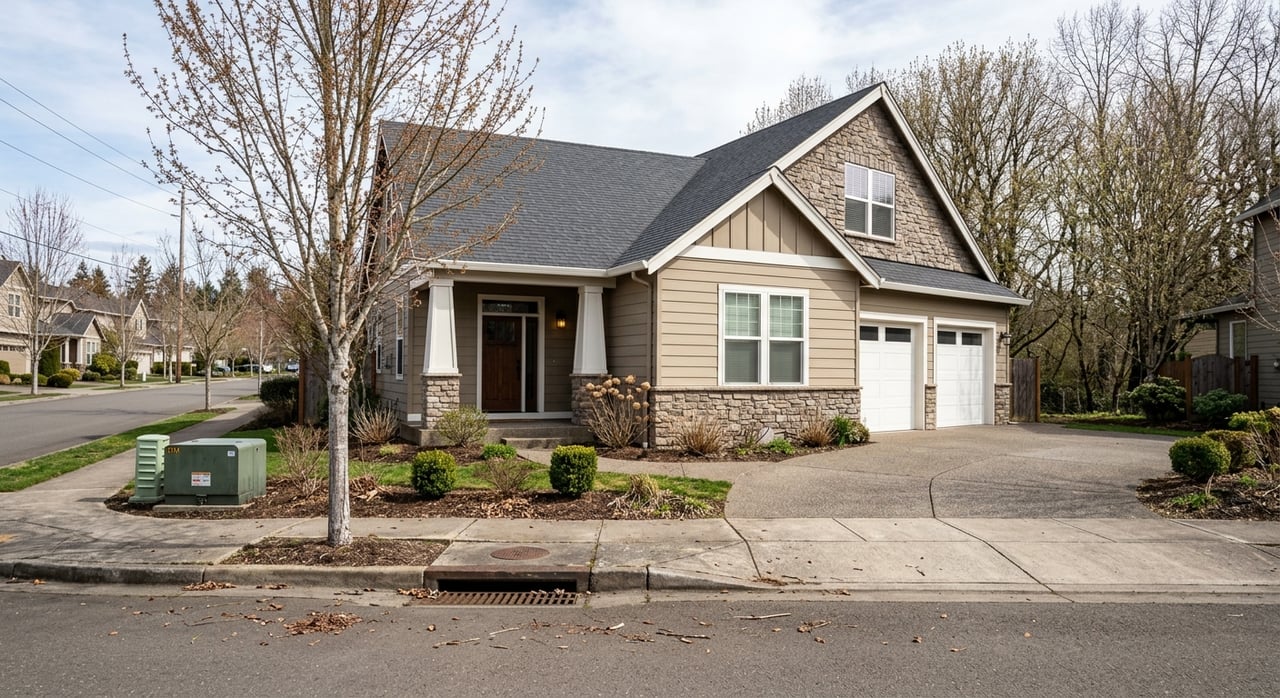
Buying new construction in Macomb can feel like the best of both worlds: a brand-new home, modern finishes, and the chance to get into a growing area before the next phase is built. But a model home tour only tells part of the story. If you want to buy with confidence, you need to ask smart questions about the builder, the lot, the timeline, and the long-term costs. Let’s dive in.
Why questions matter in Macomb
Macomb Township has seen steady growth over the past several years, with the population rising from 79,580 in 2010 to 91,663 in 2020 and an estimated 94,302 in 2024. That growth matters when you are buying new construction because future phases, nearby land use, and infrastructure changes can affect your day-to-day living and your resale value.
The township also plays a big role in the details that shape a new build. Planning, zoning, engineering, assessing, maps, and water and sewer information all come into play, especially in new subdivisions and scattered-site builds. That means the right questions can help you spot issues early, before they turn into delays or surprise costs.
Ask about the builder first
Before you fall in love with a floor plan, start with the company behind it. A polished sales center does not replace verifying who the builder is and whether the company is properly licensed in Michigan.
Is the builder licensed in Michigan?
Ask for the exact company name and license number. Michigan advises buyers to verify current license status, review disciplinary history, and check references before signing a contract.
You should also ask for a written contract that clearly spells out:
- Start date
- Estimated completion date
- Who is responsible for permits
- Cost breakdown
- Payment dates
- Contractor license number
What happens if there is a problem?
This is an important question because not every issue is handled the same way. Michigan’s LARA Enforcement Section handles complaints tied to builder licensure, permits, negligence, and fraud or deceit, but it does not handle contractual, monetary, or warranty disputes.
That means you should ask the builder to explain, in writing, how code issues, warranty issues, and contract disputes are handled. The clearer this is upfront, the fewer surprises you are likely to face later.
Understand the lot and approvals
Not every new home in Macomb is built the same way from a site and approval standpoint. Some are in platted subdivisions, while others sit on scattered-site or unplatted parcels.
Is the home in a subdivision or on an unplatted parcel?
This question matters because the permit path can differ. Macomb Township’s single-family permit requirements call for a sealed plot plan with setbacks, blueprints, energy-code compliance documents, and a soil-erosion permit.
For unplatted parcels, there may be extra requirements, including septic permits, culvert permits, an address notice, and parcel approval notice. If you are comparing two new homes, this can affect both timing and complexity.
What approvals are still outstanding?
Ask whether all required township approvals are already in place or still pending. If any approvals are outstanding, ask who is responsible for securing them and whether that could affect the build timeline or closing date.
This is especially important if you are under contract before construction is complete. You want to know which pieces are done and which ones are still moving through the township process.
Ask about inspections before closing
A new home may look nearly finished, but several inspections may still need to happen before occupancy. Macomb Township lists multiple inspection stages for new residential construction.
Which inspections are complete and which remain?
Ask for a clear update on inspection status, including:
- Footing
- Backfill
- Rough electrical
- Rough plumbing
- Rough mechanical
- Insulation
- Final building inspection
The township requires 24-hour notice for inspections, so timing matters. You should also know that the final building inspection requires the house number to be permanently affixed before the water meter is installed.
Can I review the inspection timeline?
A simple timeline can help you understand whether your closing date is realistic. If a builder cannot explain what has passed, what is scheduled, and what still needs sign-off, that is worth slowing down for.
Review HOA or condo documents carefully
Some new construction neighborhoods include homeowner associations or are structured as condo-style communities. In those cases, the home itself is only part of what you are buying.
What documents should you request?
If the property is part of a condo or common-interest community, ask for:
- Master deed
- Condominium subdivision plan
- Bylaws
- Disclosure statement
These documents can tell you a lot about how the community operates. Michigan also notes that the association or management company should keep books and records related to receipts, expenditures, and operating expenses.
Who controls the association right now?
Ask whether the developer still controls board seats. In some communities, the developer can retain board-control rights while it still owns units.
You should also ask about:
- HOA dues
- Special assessments
- Reserve funding
- Rental limits
- Architectural review rules
- Amendment rules for governing documents
These details shape your monthly costs and your flexibility as an owner. They are especially important if you are comparing a detached single-family home with a condo-style project.
Clarify the builder warranty
Most newly built homes come with a builder warranty, but coverage can vary. This is one of the easiest places for buyers to make assumptions, so it is worth slowing down and reading the fine print.
What does the warranty cover?
Ask the builder to explain the warranty in plain language. In general, new-home warranties often cover workmanship and materials on many components for one year, HVAC, plumbing, and electrical systems for about two years, and sometimes major structural defects for up to 10 years.
If you are using FHA or VA financing, ask whether a third-party warranty is required. Also ask for the full warranty document before closing, not after.
How do claims get filed?
You should know exactly how to report a problem. Ask whether claims must be filed by a certain deadline and whether mediation or arbitration is required.
Also ask what is excluded. A warranty is only helpful if you understand both the covered items and the gaps.
Ask about taxes and monthly costs
One of the biggest surprises in new construction is that the first-year tax bill may not reflect the finished home. In Macomb Township, that makes it important to ask detailed questions before you set your budget.
How will the property be assessed?
Macomb Township inspects and measures every new construction home and applicable permit. Under Michigan’s Proposal A, annual taxable-value increases are limited until there is a transfer of ownership. After a transfer, taxable value becomes equal to assessed value the following year.
In simple terms, your property taxes may change after closing. Ask for a rough estimate based on the completed home, and ask whether there are any special assessments that could affect your future costs.
What utility connection fees apply?
Ask whether water or sewer frontage fees or tap fees apply to the property. Macomb Township requires a permit for water and sanitary sewer service, and the permit may include tap fees and frontage fees unless those costs were already paid through a special assessment.
These are not small details. They can affect your cash needed at closing or your total ownership costs.
Look beyond the lot lines
When you buy in a growing area, what happens around your home matters almost as much as what happens inside it. Macomb Township maintains maps and infrastructure planning that can help you ask smarter questions.
What is planned nearby?
Ask what the adjacent vacant land is likely to become. Township engineering oversees water main, sanitary sewer, storm drainage, roads, sidewalks or pathways, and parking areas, and the township maintains infrastructure master plans and development maps.
That means you should ask whether nearby land is expected to remain residential, add more homes, or shift to another use. This can affect privacy, traffic patterns, access, and resale appeal.
Are roads, sidewalks, or drainage changes planned?
Future road work or utility work can change how a neighborhood feels over time. Ask whether upcoming improvements could affect access, traffic flow, or construction activity in the area.
In a growing township, these are practical questions, not minor ones.
Check drainage and flood-risk questions
A beautiful lot is not always a simple lot. Water flow, drainage patterns, and flood-risk designations deserve close attention.
Has the property had flooding or water issues?
Ask about past flooding, disaster damage, insurance availability, monthly utility costs, and water quality. These questions can help you understand whether the lot has any known concerns that may not be obvious during a showing.
Is flood insurance required?
Homes in designated Special Flood Hazard Areas generally require flood insurance. Even if a property is not in one of those areas, it is still wise to ask how water moves across the lot and nearby streets during heavy rain.
Understand financing and deposit terms
Financing for new construction can be different from financing a resale home, especially if the home is not yet complete. The timeline, loan type, and deposit terms all deserve careful review.
How does financing work if the home is not built yet?
Construction loans are usually short-term, with money advanced in draws as work progresses. In some cases, payments begin six to 24 months after the loan is made, and the loan may convert to a mortgage or require a new application.
Because financing structures can vary, ask early how your loan will work from contract to completion. This is one area where coordinated guidance can save you time and stress.
Is the earnest money refundable?
Builders may ask for an upfront deposit, so ask exactly when earnest money is refundable and under what conditions. You should also know that you do not have to use the builder’s affiliated lender.
That gives you room to compare loan options and choose the financing path that fits your goals.
Think about resale before you buy
New construction buyers often focus on finishes and upgrades, but resale starts the day you purchase. In Macomb, local growth makes this especially important.
How many phases remain?
Ask how many phases are left in the neighborhood and how long the overall buildout is expected to take. A community with years of future construction may offer upside, but it may also mean extended construction traffic and competition from brand-new homes when you decide to sell.
What could affect future value?
Some of the best resale questions are simple:
- What is likely to be built next door or behind the home?
- Could road or utility work change access?
- Will future phases add traffic or alter the streetscape?
- How does this lot compare with others in the neighborhood?
A local agent can help you compare builder reputation, township records, and closing logistics before you commit. That kind of local insight can make a big difference when you are choosing between communities, builders, or lot positions.
If you are thinking about buying new construction in Macomb, the goal is not to make the process harder. It is to make your decision smarter. The right questions can protect your timeline, your budget, and your long-term value. When you want local guidance on neighborhoods, builders, financing, and the details that matter before you sign, connect with Joan Schinderle King.
FAQs
What questions should you ask a builder in Macomb Township?
- Ask whether the builder is licensed in Michigan, what the exact company name and license number are, who is responsible for permits, what the completion timeline looks like, and how warranty or code-related issues are handled.
What inspections are required for a new construction home in Macomb Township?
- Macomb Township lists inspection stages that include footing, backfill, rough electrical, rough plumbing, rough mechanical, insulation, and final building inspection before occupancy.
What should you review in a Macomb new construction HOA or condo community?
- Request the master deed, subdivision plan, bylaws, and disclosure statement, and ask about dues, developer control, special assessments, reserve funding, rental limits, and architectural review rules.
How are property taxes handled on new construction in Macomb Township?
- Macomb Township inspects and measures new construction homes, and after a transfer of ownership in Michigan, taxable value becomes equal to assessed value the following year, which can change your tax bill.
What fees should you ask about for utilities in a Macomb new build?
- Ask whether water or sewer tap fees or frontage fees apply, and whether any of those costs were already paid through a special assessment.
What should you ask about future development near a new construction home in Macomb?
- Ask how many phases remain, what nearby vacant land is likely to become, and whether future road, drainage, sidewalk, or utility work could affect access, traffic, or resale value.