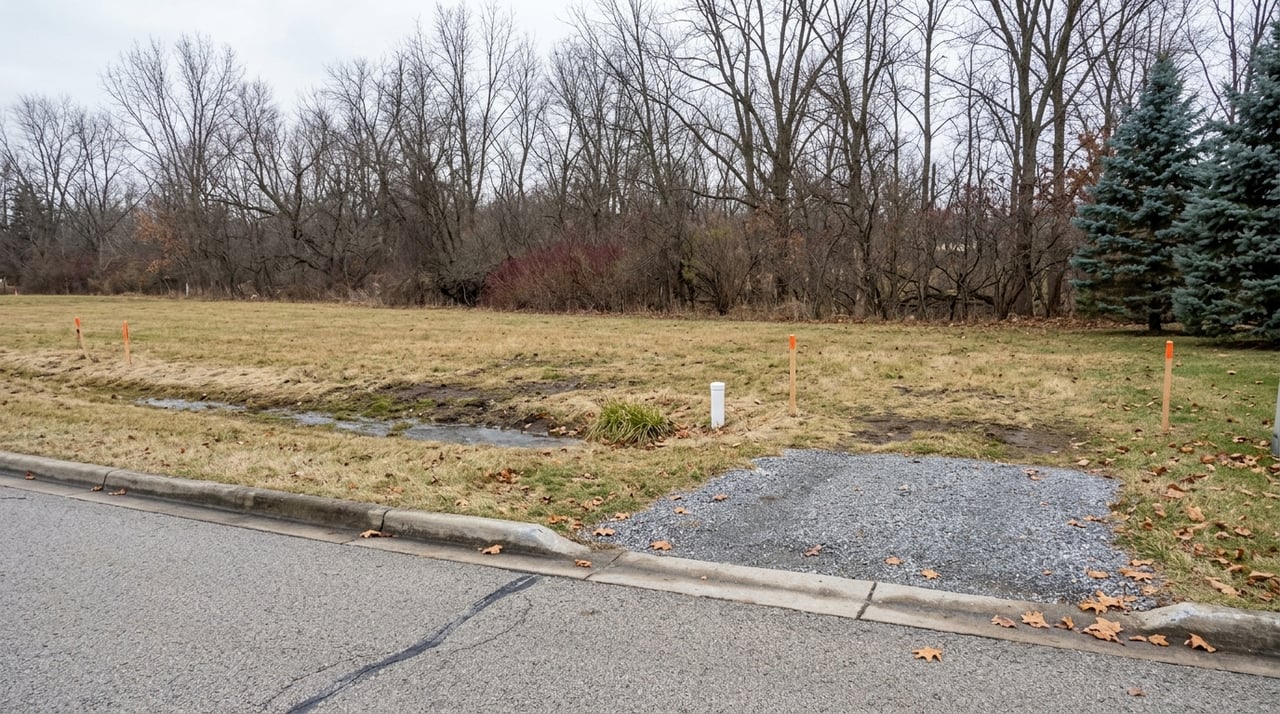
Thinking about buying land so you can build exactly what you want? In Macomb County, that dream is possible, but the path is more about permits and feasibility than granite countertops. You want a clear, step-by-step game plan that keeps you from buying the wrong parcel. In this guide, you will learn how to confirm zoning, septic or sewer options, access, environmental flags, and financing so you can move forward with confidence. Let’s dive in.
Who land buying fits in Macomb County
Not every buyer needs a vacant lot. But you might if you:
- Want a custom home on a larger lot.
- Plan a small-scale agricultural or hobby-farm use, subject to local rules.
- Are a builder or investor evaluating future lots or a small split.
- Prefer privacy and flexibility over neighborhood amenities.
Before you fall in love with an address, focus on feasibility. The most common surprise is not price, it is the process. A smart offer will include the right contingencies so you can walk away if the site does not work.
Zoning and site feasibility come first
Find the rules for your parcel
Zoning is set by each city or township, not the County. Start by identifying the parcel’s jurisdiction and zoning layer in the county’s online map. Use the county GIS parcel viewer to locate the parcel and confirm which municipal planning office to call. Review use allowances, setbacks, and any overlays with the local planner before you rely on a listing’s description. You can start with the County’s GIS parcel viewer.
Sewer vs. septic and the soil evaluation
Many Macomb County neighborhoods have public water and sewer. Outlying areas often require a private well and on-site septic. If the lot is not on public sewer, you will need a County-reviewed soil evaluation, a septic design, and a septic permit before you can build. The Health Department explains the process step by step in its Procedures for Obtaining a Soil Evaluation.
For property-specific questions, permit applications, or to check whether prior reports exist, use the Environmental Health Services online portal. Records of past soil evaluations may be on file, but you must confirm whether a prior report is acceptable for a new permit. Start here: Environmental Health Services portal.
Tip: Budget time and money for the soil evaluation. The County requires a site plan, visible property lines, a MISS DIG 811 ticket, and a backhoe on site for test pits. Scheduling is generally within several business days after you submit a complete application and utility clearance.
Water, wells, and quality checks
If the parcel will use a private well, you should check well depth and performance in the area and plan for water quality testing. Michigan EGLE maintains well records and a searchable map. Before you buy, look up nearby well logs with EGLE’s Water Well Viewer (Wellogic) and plan for bacteriological and nitrate testing on any existing well.
Wetlands, floodplain, and environmental flags
Certain sites include wetlands or lie within a mapped flood zone. Wetland impacts often require a permit through Michigan’s joint state-federal process, and flood zones can affect insurance and building options. If aerials show low or marshy areas, consider a Wetland Identification review before you commit. Learn more about permits on EGLE’s wetlands permitting page, and check official flood maps via the FEMA Flood Map Service Center.
If the parcel is near industrial uses, add an environmental records search to your due diligence. State and federal databases can reveal nearby sites that may need a closer look.
Access, driveways, and earthwork permits
Legal access matters as much as frontage. Confirm whether the parcel fronts a public road or if a recorded easement grants access. Any new approach, culvert, or ditch work within a county road right-of-way requires a permit from the Department of Roads. Review requirements and example fees at the Macomb County Department of Roads permit page.
Most new builds also need a soil erosion and sedimentation control (SESC) permit before grading or excavation. This ensures best practices during construction to protect drains and neighboring parcels. Get the details from the County’s SESC program.
Financing land in Macomb County
Banks look at vacant land differently than a finished home. Expect higher down payments and shorter terms for raw land. Some lenders offer lot loans for buyers who plan to build within a set timeframe. As one example, MSU Federal Credit Union outlines vacant land loan options and down payment expectations on its vacant land loan page.
You can finance in two main ways:
- Buy the lot now with a land or lot loan, then take a separate construction loan later.
- Use a single-close construction-to-permanent loan that rolls land and build costs into one mortgage, if available through your lender.
Programs and underwriting change often. Contact local lenders early and ask what they require for the specific parcel. As a licensed Realtor and NMLS mortgage originator, I can help you coordinate financing with the land and building timeline so your approvals and contingencies line up.
Timeline: what to expect
Every parcel is different, but a typical sequence looks like this:
Preliminary screening. Confirm zoning and basic feasibility with the township or city. Use the County GIS to identify the jurisdiction.
Write your offer with land-specific contingencies. Include time to complete soil evaluation and septic review, well testing if applicable, access verification, wetlands or flood review, and lender approval for this parcel.
Order the soil evaluation. Follow the County’s checklist, including a MISS DIG 811 ticket and onsite equipment, using the County’s soil evaluation procedures.
Apply for permits as needed. This may include a septic permit, driveway/approach permit, and an SESC permit.
Finalize financing. Provide your lender with the survey, title work, perc report, utility information, and construction estimates if you are moving straight into a build.
This process can move quickly when the lot is already on public utilities and has a clean site history. Raw acreage will take longer because each approval is a separate step.
Your due diligence checklist
Use this quick list to keep your process on track:
- Zoning and use. Call the township or city planning office. Use the County’s GIS parcel viewer to identify who to contact.
- Legal access. Confirm public road frontage or a recorded easement. For county roads, review approach and driveway permit requirements.
- Sewer or septic. If no public sewer, apply for a soil evaluation and confirm septic feasibility using the County’s soil evaluation procedures and the EH Services portal.
- Well and water quality. Search nearby well logs in EGLE’s Water Well Viewer. Plan for bacteriological and nitrate testing.
- Wetlands and floodplain. Screen for permits on EGLE’s wetlands permitting page and check maps at the FEMA Flood Map Service Center.
- Earthwork controls. Confirm whether you need a County SESC permit before grading.
- Survey and title. Order a current survey and title commitment to verify boundaries and easements.
- Lender approval. Ask lenders early about down payment, appraisal, required reports, and whether they finance both land and construction. Review options such as MSUFCU’s vacant land loans.
Is buying land in Macomb right for you?
Buying land is a great fit if you value control over your home’s design, want larger outdoor space, or have a specific use in mind. It requires patience and a detail-first mindset. The keys are confirming your allowed use, proving water and wastewater feasibility, verifying access, and lining up permits and financing in the right order.
With the right plan and local partners, you can move from a raw parcel to a build-ready lot without surprises. If you would like a second set of eyes on a parcel or help coordinating permits and financing, reach out. I help Macomb County buyers and builders evaluate feasibility, write smart offers, and close with confidence.
Ready to explore land opportunities or confirm a parcel’s buildability? Connect with Joan Schinderle King to schedule a friendly, no-pressure consultation.
FAQs
What permits do I need to build on Macomb County vacant land?
- You will typically need approvals for septic or sewer, a driveway or approach if accessing a county road, and a soil erosion and sedimentation control (SESC) permit before major grading. Start with the County’s SESC program and the Roads Department’s permit requirements.
How do I confirm septic feasibility on a Macomb parcel without sewer?
- Apply for a County soil evaluation that includes test pits and a site review. The steps and submittals are outlined in the County’s soil evaluation procedures, and you can manage applications through the EH Services portal.
How do land loans work for Macomb County buyers?
- Vacant land loans usually require higher down payments than home mortgages and shorter terms. Some local lenders offer lot loans if you plan to build soon. Review options like MSU Federal Credit Union’s vacant land loans and ask about construction-to-permanent choices.
How can I check flood risk or wetlands on a lot in Macomb County?
- Look up flood zones using the FEMA Flood Map Service Center and review wetland permitting rules on EGLE’s wetlands page. If maps or aerials suggest low areas, consider a Wetland Identification review before you buy.
How do I research well water for a property that needs a private well?
- Search nearby well logs and depths on EGLE’s Water Well Viewer. Plan for bacteriological and nitrate testing on any existing well, and discuss well placement with your builder early.