Thinking about listing your home in Macomb? A few focused weeks of prep can help you capture more attention, reduce days on market, and strengthen your negotiating power. As of early 2026, typical Macomb County home values sit in the mid-to-high $200,000s, with Zillow estimating about $258,600 and many suburban listings moving within a few weeks in active areas. In a market like this, smart, targeted fixes can make a real difference. This room-by-room plan shows what to do, what to skip, and how to time everything so you list with confidence. Let’s dive in.
What Macomb buyers want most
You’ll attract more buyers when your home matches what today’s shoppers prioritize. National surveys are a strong proxy for Southeast Michigan suburbs, and the National Association of Home Builders highlights consistent top wants: functional kitchens with storage, a full bath on the main level, a laundry room, garage storage, outdoor space, energy-efficient features, and durable flooring. See the NAHB summary of buyer preferences in What Home Buyers Really Want for added context: NAHB buyer preferences overview.
In Macomb County communities like Sterling Heights, Macomb Township, and Warren, you’ll also see extra weight on a dry, usable basement, reliable mechanicals, and a two-car garage or dedicated storage. If you align your prep with those priorities, you’ll stand out online and in person.
Max ROI rules before you list
Not every upgrade pays off when you plan to sell in the next few months. Use Remodeling’s Cost vs. Value report as your practical guide. Projects that tend to deliver strong cost recapture include garage-door and entry-door replacements and minor kitchen refreshes, while large-scale luxury remodels often recoup far less. Explore the current return patterns here: Cost vs. Value 2025.
- Focus on curb appeal first. A refreshed front entry and garage door can punch above their weight for value perception.
- Opt for a minor kitchen refresh over a full gut. New hardware, lighting, a faucet, and paint can go far.
- Bathrooms should be clean and functional. Fresh caulk, updated lighting, and a leak-free experience build buyer trust.
- Keep basements dry and bright. Address moisture before any finishing.
- Stage strategically and invest in great photography. NAR reports that staging helps buyers visualize a property and can reduce time on market: NAR staging snapshot.
Room-by-room plan to prepare your Macomb home
Below is a practical checklist that balances cost, speed, and buyer impact. Start with the exterior and the rooms that drive photos and perception online: living areas, kitchen, and the primary bedroom.
Curb and entry
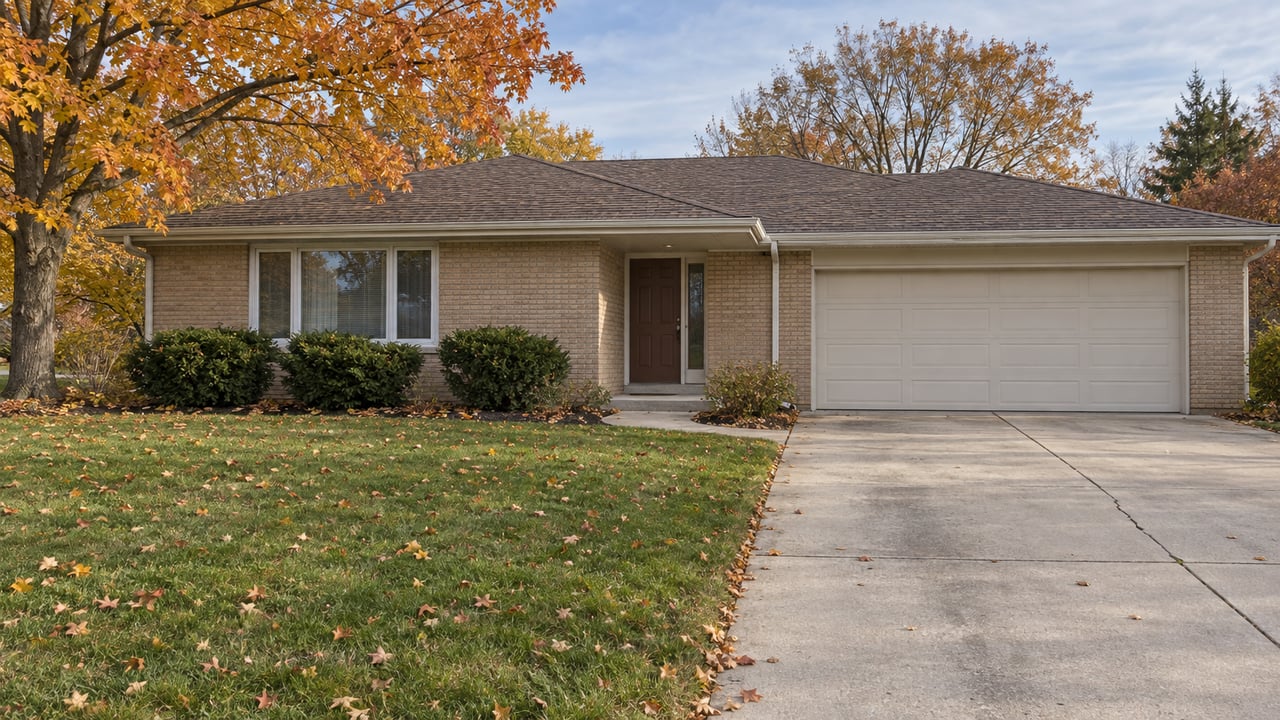
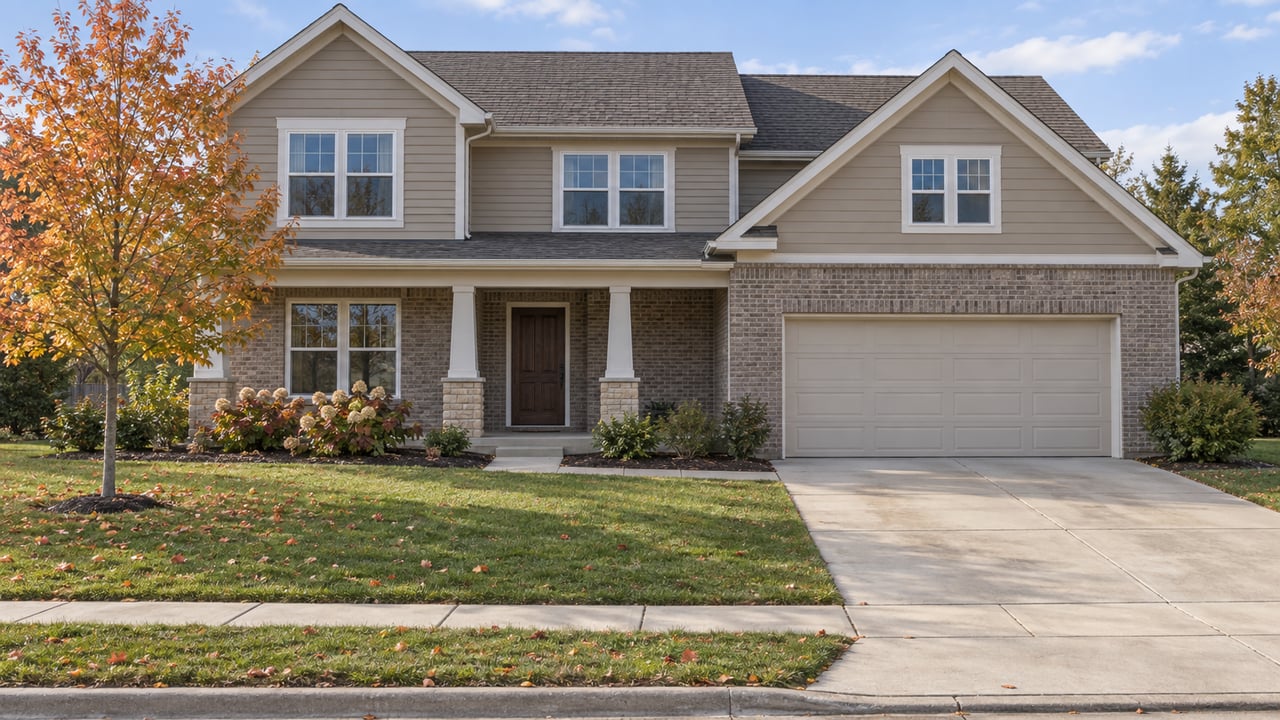
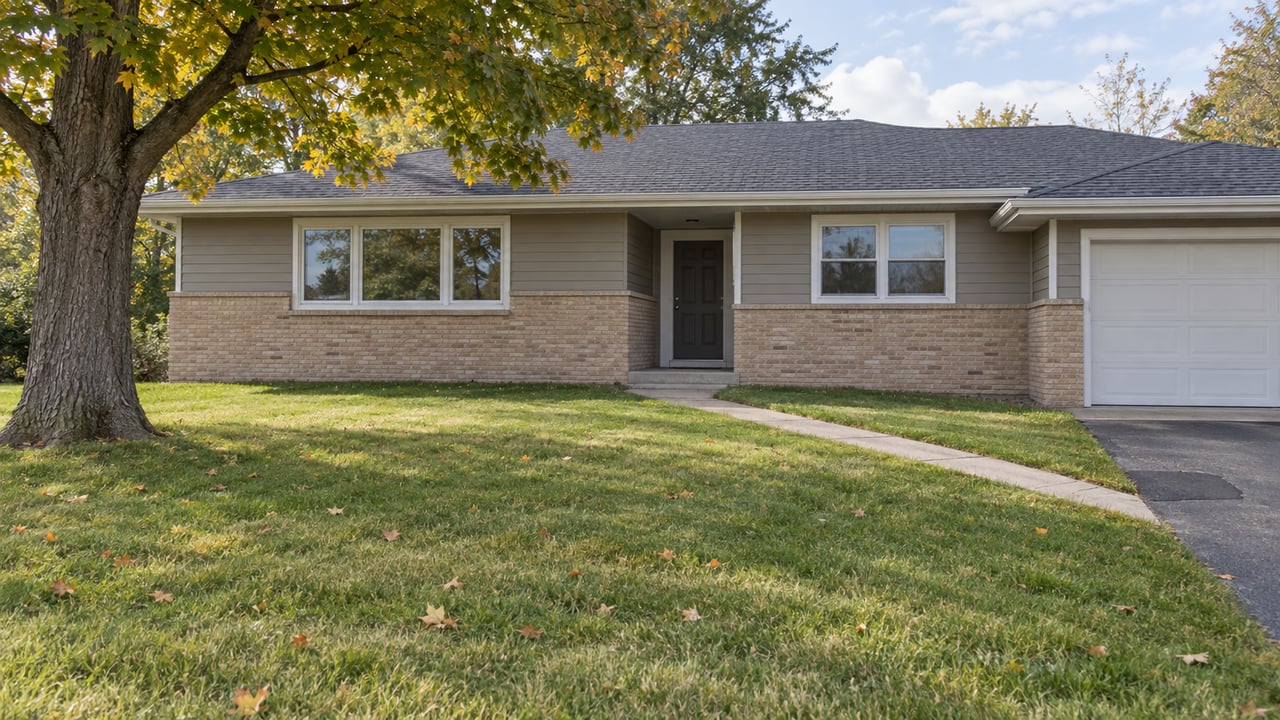
First impressions start at the street. This is where you can boost click-throughs and set a positive tone before buyers step inside.
- Power-wash siding, driveway, and walkways.
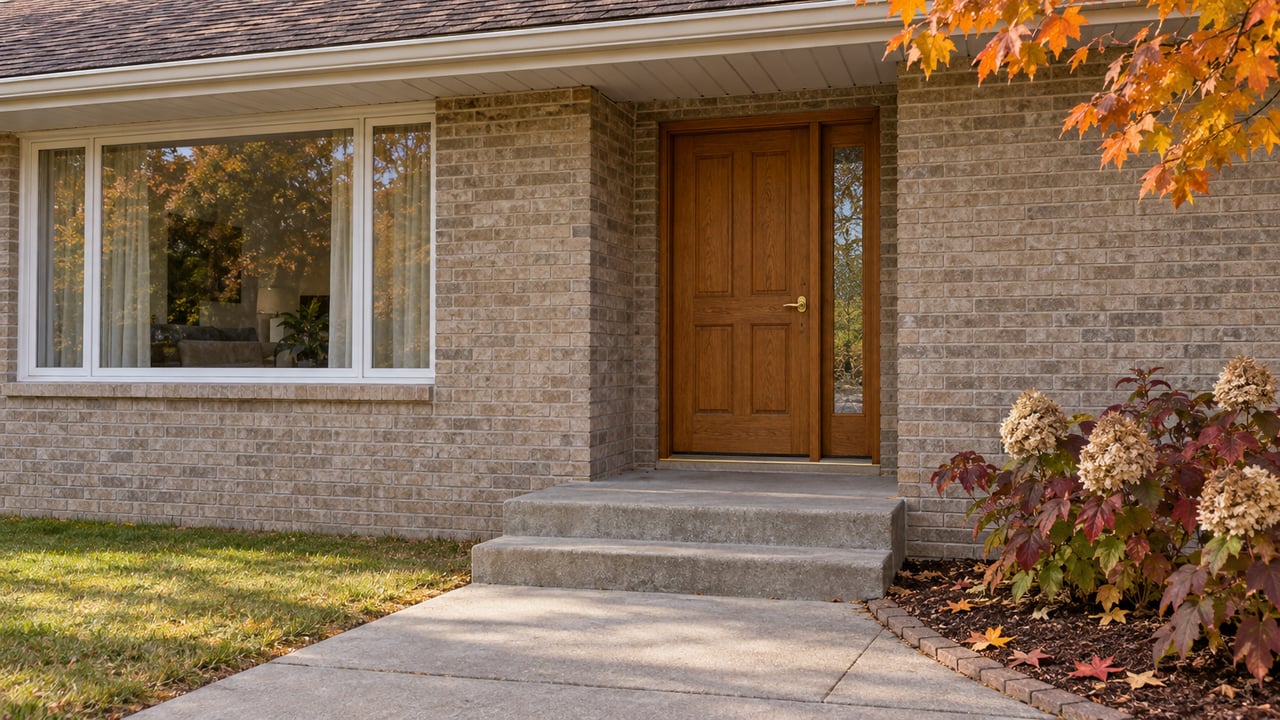
- Repaint or replace the front door, add new hardware, and refresh house numbers. As a rule, replacing a steel entry door and addressing the garage door often deliver top-tier returns: Cost vs. Value 2025.
- Repair, repaint, or replace the garage door if it’s dented or dated. This is a high-ROI move.
- Update exterior light fixtures and bulbs. Trim shrubs, edge the lawn, and add a clean doormat and a potted plant.
- Tidy gutters and fix cracked walkway pavers to remove safety concerns.
Living areas and staging for photos
Your online photos are your first showing. Staging helps buyers visualize scale, flow, and how they might live in the space.
- Declutter, remove personal photos, and edit furniture for better flow.
- Use warm LED bulbs (about 2700–3000K) and aim for three light layers where practical.
- Consider professional staging or targeted accessory staging, then schedule professional listing photos right away. For data on why this works, see NAR’s snapshot: NAR staging snapshot.
Kitchen refresh
The kitchen drives a lot of buyer interest. Minor, visible updates are usually the best use of budget when you plan to list soon.
- Deep clean every surface. Remove fridge magnets and minimize countertop items to two or three styled pieces.
- Replace cabinet hardware, update the faucet, and switch dated outlet and switch plates to a clean white.
- Refinish or paint cabinets if they’re worn. Consider cost-effective lighting updates, including under-cabinet lights.
- If counters are badly damaged, replace with a durable but modest option. Minor kitchen remodels often recoup well relative to cost: Cost vs. Value 2025.
Bathrooms
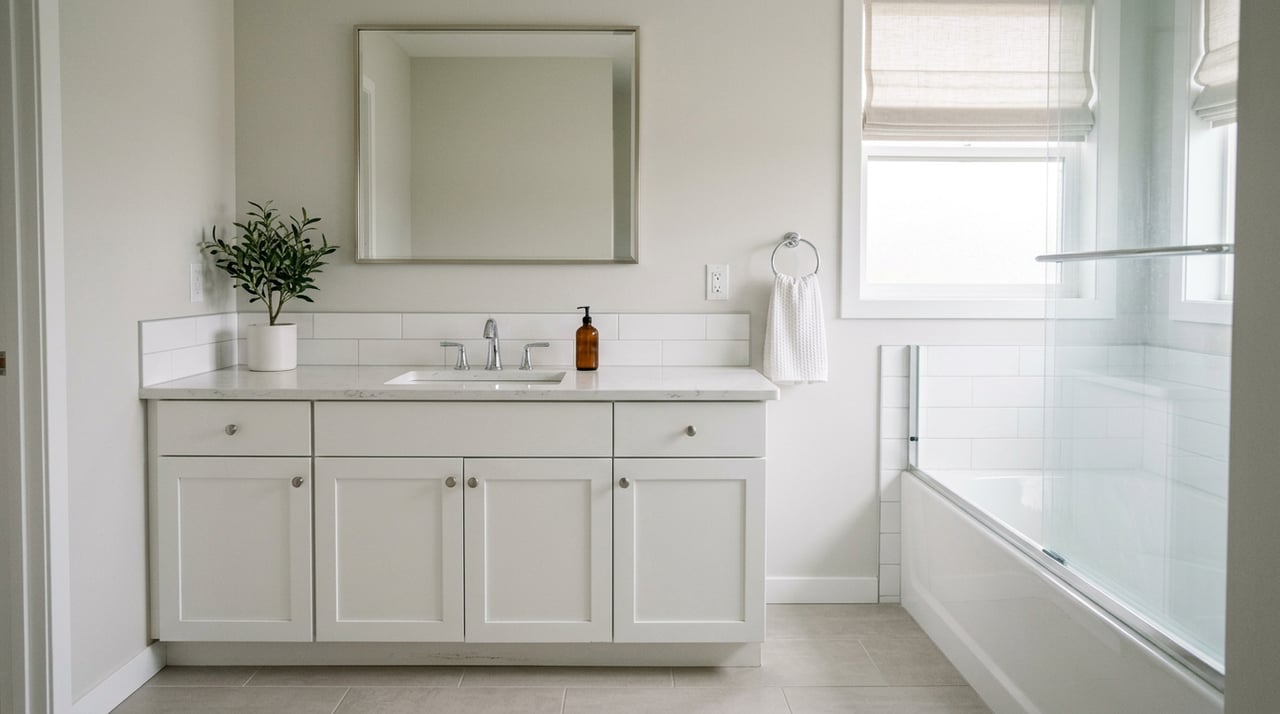
Buyers equate clean, functional baths with a well-cared-for home. Visible water stains, tired caulk, or slow drains can raise red flags.
- Re-caulk and re-grout as needed. Add fresh towels and a clean shower curtain for photos.
- Update mirrors, vanity hardware, and lighting. Fix any leaky or loose faucets.
- Ensure the ventilation fan works and is not noisy.
- If the tub or tile looks very worn, consider professional reglazing instead of a full replacement.
Bedrooms and closets
Neutral, bright bedrooms and organized closets help buyers see potential and feel at ease.
- Remove excess furniture to showcase space and walkways.
- Replace dated window treatments with simple, neutral options.
- Clean or refinish hardwoods. Professionally clean or replace stained carpet.
- Declutter closets and clear floors. Buyers will look inside early in a showing.
Basement and lower level
In Michigan, buyers pay close attention to basements. Moisture issues often slow sales or prompt repair credits during inspection.
- Address any signs of moisture first. Test the sump pump and run a dehumidifier if needed. Fix obvious water stains.
- Brighten with better lighting and neutral paint. If partially finished, keep it simple and clean rather than investing in a costly full finish.
- If you plan to stage the space, show a flexible rec area or organized storage.
Systems, safety, and inspections
Reliable mechanicals reduce risk in a buyer’s mind and can smooth appraisal and underwriting.
- Consider a pre-listing inspection focused on electrical, HVAC, plumbing, and roof to surface any big issues on your schedule.
- Replace missing or expired smoke and CO alarms. Gather service records for the furnace and AC.
- If the roof is near end-of-life, talk with your agent about whether repair or replacement before listing will prevent price erosion or inspection hold-ups. See general recapture patterns here: Cost vs. Value 2025.
Permits and past work
Buyers, inspectors, and lenders often ask about permits for significant renovations. Unpermitted work can trigger renegotiations.
- Confirm permits for past projects where applicable, or be ready to disclose unpermitted work. Michigan allows local governments to require additional disclosures. Review the Michigan Seller Disclosure Act language here: MCL 565.957.
- Contact your local building department to check records. For example, see Sterling Heights’ building FAQs: Sterling Heights Building FAQs.
Required disclosures: lead and state forms
If your home was built before 1978, federal law requires that buyers receive the EPA/HUD lead-based paint pamphlet and related disclosures. Michigan also requires a seller’s disclosure statement for most 1–4 unit residential sales.
- Review the EPA’s guidance and pamphlet details here: EPA lead-based paint guidance.
- Michigan sellers must complete the state Seller’s Disclosure statement. Reference language for the act: MCL 565.957.
Six to eight week prep timeline
Use this schedule if you’re planning to hit the market in roughly two months. Adjust tasks to fit your home’s needs and contractor availability.
- Week 0: Meet with your agent for pricing, comps, and a prep plan. Order permit records and schedule any needed pre-listing inspections and a photographer.
- Weeks 1–2: Deep clean and declutter. Paint high-traffic rooms in a neutral color. Start curb appeal work. Tackle quick fixes like leaky faucets or squeaky doors.
- Weeks 2–3: Complete kitchen and bath touch-ups. Organize closets. Purchase or rent staging accessories and schedule a staging consult.
- Weeks 3–4: Resolve basement moisture issues. Service HVAC. Finalize staging details and confirm permit and disclosure documentation.
- Week 4–5: Professional photos and floor plan. Finalize listing copy and photo order with your agent. Use virtual staging if rooms are empty.
- Week 5–6: Go live, show, and monitor feedback. Adjust small details based on early showing responses.
What to skip when you’re selling soon
When your goal is to list in weeks, prioritize projects that buyers notice right away and that data shows are likely to pay you back.
- Large, luxury remodels or additions. Major kitchen and primary-suite projects often recoup far less than their cost when you sell shortly after completion. See: Cost vs. Value 2025.
- Pools and highly specialized landscaping. These can narrow your buyer pool and rarely return full cost unless they are neighborhood norms.
- Overly personalized finishes or built-ins. Bold, specific choices can shrink your audience.
Quick room-by-room checklist
Use this to recap the essentials before photos and showings.
- Entry and exterior: Power-wash, tidy landscaping, replace front-door hardware, refresh house numbers, clean mailbox, and test exterior lights. Reference ROI ideas: Cost vs. Value 2025.
- Living room: Depersonalize, maximize light, and arrange furniture for flow. Consider a single focal piece. See staging insights: NAR staging snapshot.
- Kitchen: Deep clean, update hardware and faucet, tidy counters, and ensure appliances function properly. Cost vs. Value 2025.
- Baths: Re-caulk and re-grout, refresh lighting and mirrors, replace worn accessories, and confirm vents work.
- Bedrooms: Neutral paint, working window coverings, and organized closets.
- Basement: Verify dryness, test sump pump, brighten lighting, remove musty odors, and lightly stage if finished.
- Garage/storage: Clear floor space, label shelves, test the opener.
- Paperwork: Michigan seller’s disclosure, lead pamphlet for pre-1978 homes, permit records, and maintenance receipts. MCL 565.957 and EPA lead guidance.
A quick note on costs and bids
Project costs vary in Macomb based on season and contractor availability. For any job over about $1,500, get two or three in-person quotes so you can compare scope, timeline, and value.
Ready to list with a proven local plan?
If you want a smooth, data-informed sale in Macomb County, partner with an experienced local advisor who can guide strategy, marketing, and timing. With decades of Metro Detroit sales and in-house mortgage expertise, we can help you prioritize prep, price with precision, and launch with standout marketing.
Have questions about where to start or which fixes will matter most in your neighborhood? Get a tailored, room-by-room plan and a pricing strategy that aligns with your goals. Connect with Joan Schinderle King to get your free home valuation and schedule a consultation.
FAQs
What adds the most value before listing a Macomb home?
- Prioritize curb appeal upgrades, a minor kitchen refresh, clean and functional bathrooms, a dry basement, and strong staging and photography. These align with buyer priorities and show consistent ROI patterns.
Should I remodel my kitchen or just refresh it before selling?
- If you plan to list soon, a minor refresh usually makes more financial sense than a full gut. Focus on hardware, lighting, faucet, paint, and surfaces that present clean and move-in ready appeal.
How important is staging for homes in Macomb County?
- Staging helps buyers visualize how they will live in your home and can shorten time on market. Professional photos taken after staging tend to increase click-throughs and showing requests.
What disclosures are required when selling a home in Michigan?
- Most residential sellers must complete the Michigan Seller’s Disclosure statement and, for pre-1978 homes, provide the EPA/HUD lead-based paint pamphlet and related disclosures.
Do I need to fix basement moisture issues before I list?
- Yes. In Michigan, a dry basement is a top buyer concern. Address moisture and sump pump function first, then brighten and stage the space if appropriate.
How do I verify permits for past renovations in Macomb County?
- Contact your local building department for permit records and be prepared to disclose unpermitted work. Sterling Heights offers a public FAQ page that explains local processes and expectations.