If you want strong offers without sitting on the market or slashing your price later, getting your list price right is the move. You know buyers are watching every new Troy listing and comparing it to recent sales in your neighborhood. In this guide, you’ll see current Troy numbers, how demand shifts by price band, and a simple plan to set a confident list price and protect your bottom line. Let’s dive in.
Troy market snapshot, 2026
As of January 2026, Troy’s median sale price was about $400,000, and typical listings took a median of 41 days to sell, according to the Redfin Troy market page. Zillow’s typical home value (ZHVI) measured about $440,080 as of January 31, 2026, and median days to pending sat around 33 days on the Zillow Troy home values page. Realtor.com’s Troy snapshot shows a median listing price near $422,450 and a longer median days on market around 62 days as of December 2025 on the Realtor.com Troy local market page.
These figures rarely match perfectly because each source uses a different method. Redfin reports median sale price and list-to-contract windows, Zillow reports a model-based “typical value” and days to pending, and Realtor.com reports list-price snapshots and a list-to-close style days-on-market metric. Redfin also shows sellers receiving roughly 98% of list price on average in January 2026, with about 23% of sales over asking in the prior year window. That means some well-positioned homes still spark competition, while others need sharper pricing to earn attention.
What this means for you
Troy is active but not uniformly hot. Some zip codes and price points still see fast movement and multiple offers. Others show longer marketing windows and more price reductions. County-level data for Oakland County indicates months of supply and days on market have risen from the peak seller years, which fits what sellers are seeing in Troy today. You want recent, hyperlocal comps and a pricing plan that matches your goals in this shifting environment. For broader county context, see GMAR’s latest Oakland County Market Indicators.
Price bands in Troy
Local demand in Troy often clusters by price bracket. Use these bands as a practical starting point, then refine with a fresh CMA for your address.
- Entry band: up to about $350,000. Many first-time buyers search here, especially in parts of 48083 and 48084. If your home shows cleanly and is priced near market value, you can catch strong early activity.
- Core single-family band: about $350,000 to $550,000. This is a broad, active pool. Small pricing moves can change which buyers see your listing. Precision really matters.
- Premium move-up: $550,000 and above. The buyer pool is smaller and very neighborhood specific, including parts of 48085 and 48098 where demand has been healthy at times. Seasonality and presentation carry more weight.
Realtor.com’s Troy page shows how median list prices and days on market vary by month, and zip-level snapshots often highlight differences within the city. Use them as a starting pulse check, then rely on MLS comps to set your number.
Recent comps at a glance
You do not need dozens of comps to price well, but you do need the right ones. Start with sales from the last 90 days in your zip or subdivision, and make thoughtful adjustments for square footage, bed/bath count, lot size, garage type, finished basement, and major updates. You can scan citywide sold examples on Redfin’s Troy recently sold page, then ask for an MLS-driven CMA to zero in on the best matches.
Use this comp-card format for each band:
- Entry band example comp cards
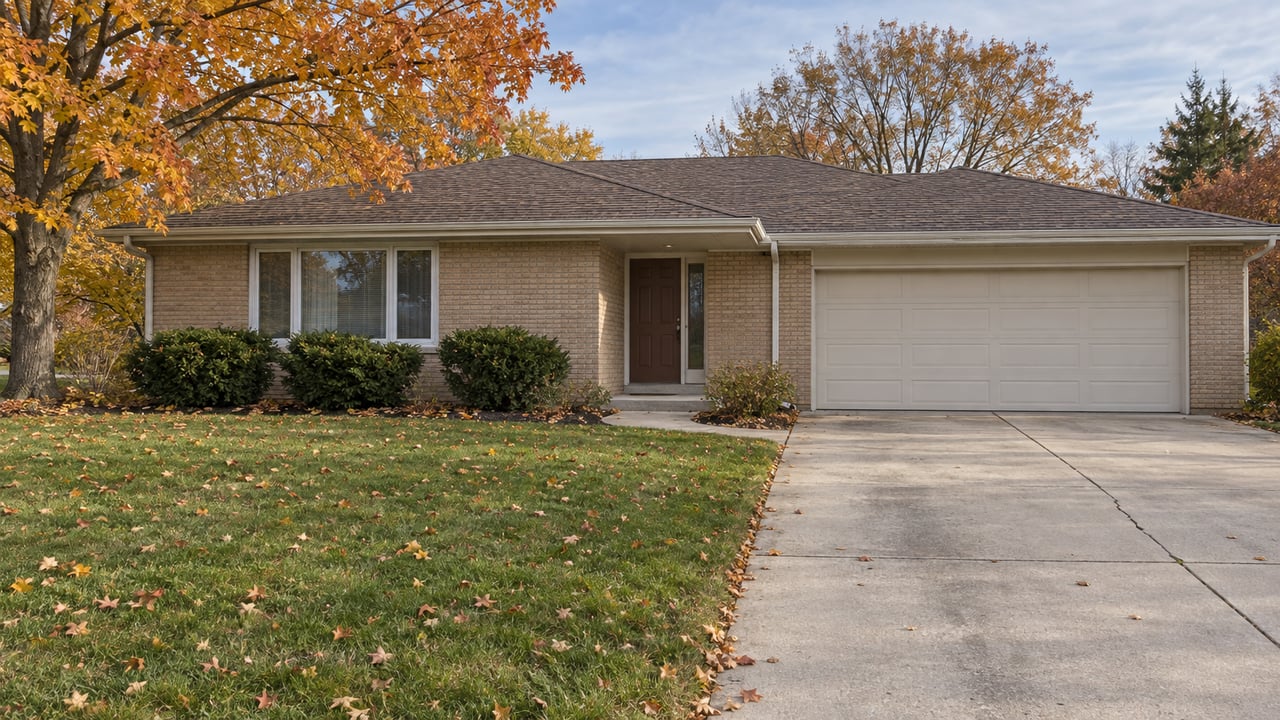
- Example A: 3-bed ranch, similar square footage and lot, updated kitchen, sold in the last 60–90 days. Note sold price, sold date, days on market, and price per square foot.
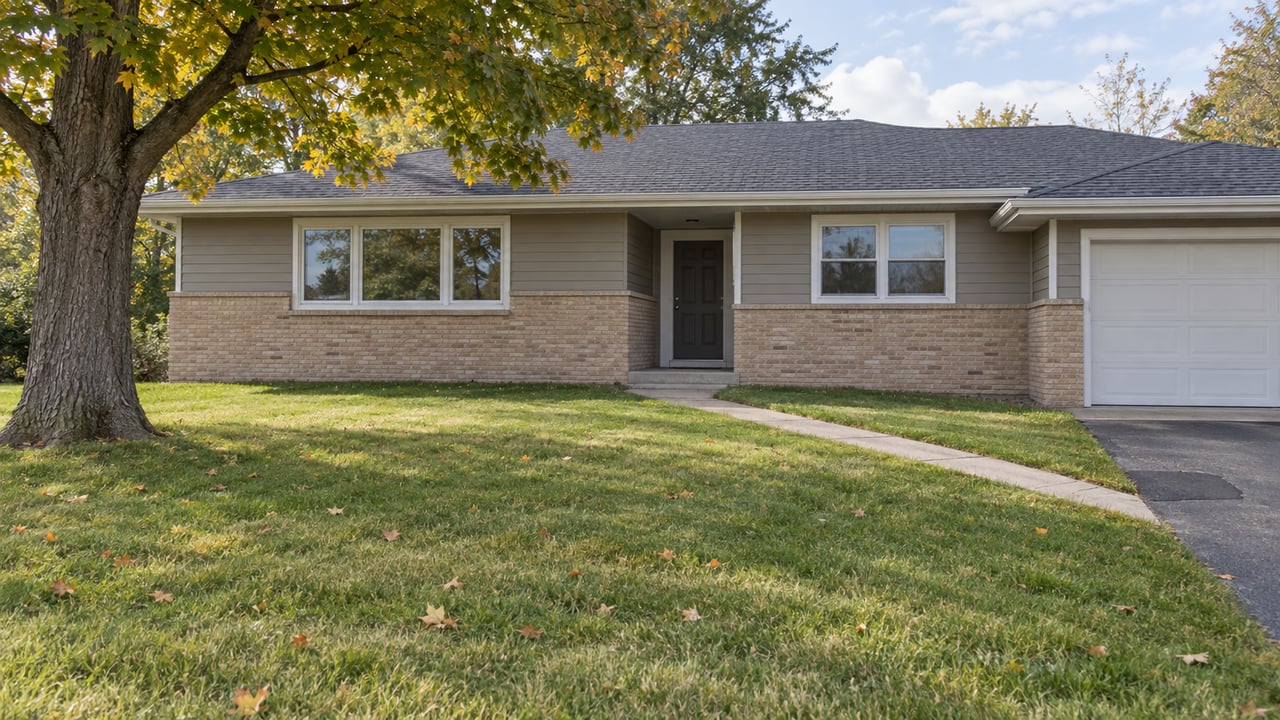
- Example B: Comparable ranch or bungalow with fewer updates but same bed/bath. Adjust for condition and mechanicals.
- Core band example comp cards
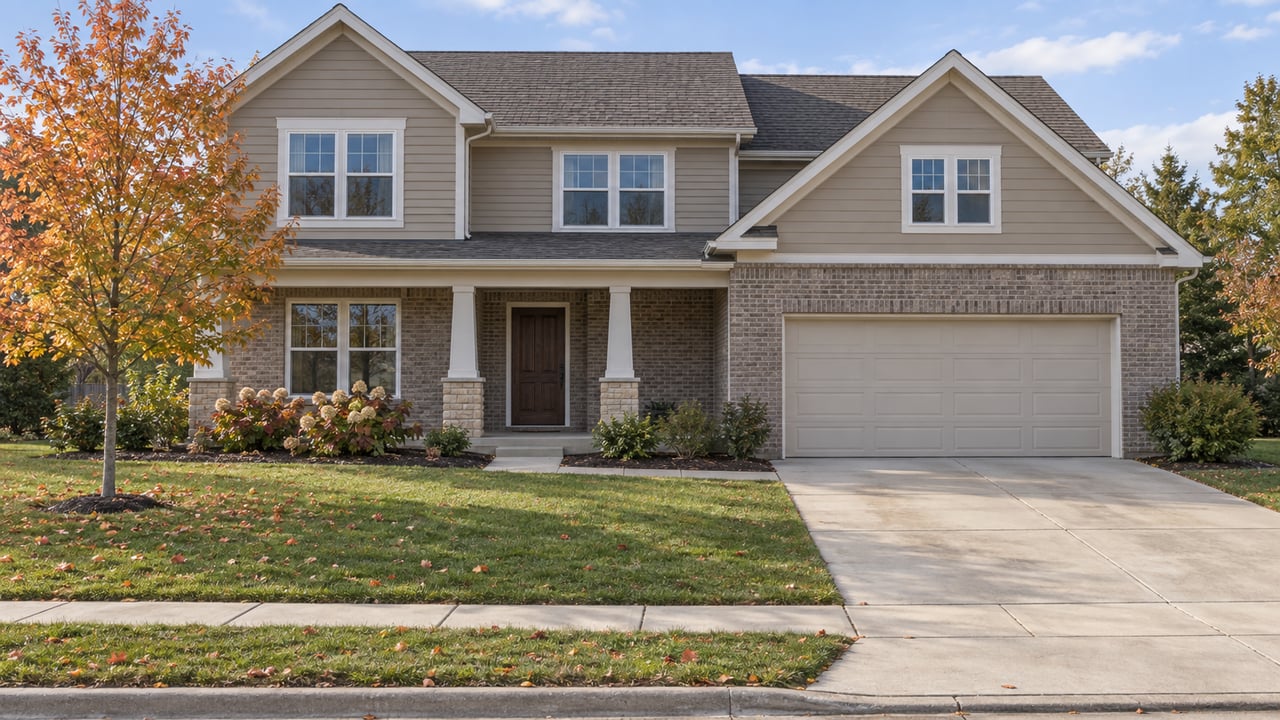
- Example A: 3–4 bed colonial or split-level, similar year built and finished basement. Track sold price, DOM, and any seller concessions.
- Example B: Nearby home with a 2-car garage and similar lot. Adjust for renovation level and outdoor features.
- Premium band example comp cards
- Example A: 4–5 bed home in a nearby subdivision with similar square footage and updates. Confirm time on market and whether it sold above or below list.
- Example B: Same-school-area comparable with upgraded kitchen and baths. Adjust for lot premium and finished lower level.
These are MLS-level comps and values change. Ask for a fresh CMA before you set price. For a quick refresher on what goes into a professional valuation, review the NAR consumer guide on pricing inputs and adjustments in the NAR pricing guide.
How to price your home
1) Pull the right CMA
Anchor your analysis to solds from the last 90 days, or extend to 6 months if volume is light. Prioritize comps in the same zip or subdivision and similar bed/bath count and usable square footage. Include a short list of active and pending listings so you understand the competition buyers will see alongside your home. Adjust for condition, recent remodels, lot size, garage type, and finished basement.
2) Choose a clear objective
Decide if your top goal is time or price. For example, “sell within 30 days” suggests a market-match or slightly aggressive list price that sits confidently in the strongest search bracket. If you have more runway, you can test a higher price, but pair that with a definitive review date and a willingness to adjust quickly if traffic or feedback lags. Use current Troy metrics like the Redfin sale-to-list ratio and median DOM to back up your choice on timing and risk.
3) Mind search brackets
Most buyers set tight price filters. Pricing at $349,900 is often seen by a different audience than $354,900, even though the difference feels small. Work the bottoms and tops of brackets to maximize the number of qualified buyers who will actually see your home online.
4) Protect early momentum
Your best buyers usually show up in the first one to two weeks. Listings that linger often need price cuts and can net less than a correctly priced launch. Redfin’s research on national price drops in 2025 found a rising share of reductions and weaker outcomes for homes that needed cuts, which is why getting close to the right number at launch matters. See the trend discussion in Redfin’s price-drop analysis.
5) Plan for appraisal and financing
If a buyer’s lender appraisal comes in below contract price, you may need to renegotiate, accept a buyer cash bridge, or ask the lender for a reconsideration of value. Recent GSE guidance has expanded appraisal alternatives and standardized reconsideration processes in some cases, so expect an appraisal conversation on financed offers. For background on appraisal-policy updates, see this industry summary from Ballard Spahr’s mortgage update.
Protect your net proceeds
Avoid the overpricing trap
Overpricing usually increases days on market and raises the odds you will cut later, which can produce a lower final price than a well-priced launch. Redfin’s 2025 reporting on price reductions shows that many homes that needed cuts underperformed against homes that launched at a sharper list price. In Troy’s patchwork market, launch price accuracy matters more than ever.
When underpricing makes sense
In specific Troy submarkets with thin inventory and strong buyer pools, a slightly aggressive list price can create a bidding environment and a better net than a higher, slower-start approach. This tactic works best when your home is in top condition, comps support a tight range, and you have a plan to review early offers. It is not a one-size-fits-all strategy, so discuss the risks and tell-tale signs with your agent.
Use smart concessions, not just price cuts
You can often preserve your target sale price by solving affordability instead of discounting. Common tools include seller-paid closing costs, small inspection credits, or a temporary rate buydown. For example, a 2-1 buydown lowers the buyer’s interest rate for the first two years and can widen the qualified pool without changing your contract price. Learn how buydowns work in Redfin’s explainer on a 2-1 buydown mortgage. Loan programs limit total concessions, so verify caps with the buyer’s lender.
Simple net proceeds math
Here is a quick illustration using Troy’s recent median sale price range. If you sell for $400,000 and assume a total commission of 5.5%, that is about $22,000. If you also assume other seller closing costs around 2%, that is about $8,000. Your estimated pre-payoff net would be about $370,000. Actual net equals sale price minus commissions, minus seller closing costs, minus your mortgage payoff and any negotiated credits. Nationally, commissions are a major portion of seller costs, and non-commission closing costs often land in the 1% to 3% range, according to Forbes Advisor’s overview of seller costs. Local taxes and fees vary.
Your Troy pricing checklist
- Get a fresh CMA anchored to the last 90 days, with actives and pendings for context. For what to include, scan the NAR pricing guide.
- Choose your objective: sell fast or maximize price. Use Troy’s current DOM and sale-to-list data to shape your launch strategy.
- Target the right search bracket. Position your number at the top or bottom of a common filter to maximize visibility.
- Prep for presentation. Complete minor repairs, declutter, and invest in strong photos to improve traffic and reduce the need for concessions.
- Launch with a two-week plan. Track showings, feedback, and online saves. If momentum is light, be ready to adjust quickly to protect your net.
- Plan for appraisal. Decide in advance how you will handle a low appraisal or a reconsideration request.
Talk to a local Troy agent for a fresh CMA and to model net proceeds for your exact address. Portal numbers change monthly, so include an exact data-as-of date on any pricing discussion you share or save.
If you want an expert, data-informed plan tailored to your home and timeline, reach out to Joan Schinderle King for a free valuation and a quick strategy session. Joan pairs decades of Metro Detroit listing experience with mortgage expertise to help you price confidently, market effectively, and move on your schedule.
FAQs
How long are Troy homes taking to sell in early 2026?
- City snapshots show a median of about 41 days to sell on Redfin for January 2026, while Zillow’s typical days to pending is around 33 and Realtor.com reports a longer median based on a different definition. The variation comes from how each site measures time on market.
What is a smart starting price for my Troy home?
- Start with a 90-day CMA focused on your zip or subdivision, then set a price that matches your goal and the current sale-to-list and DOM patterns for your band. Position the number inside a strong buyer search bracket to expand visibility.
Should I plan for a price cut if I get few showings in two weeks?
- Early momentum matters. If traffic and feedback lag in the first 10–14 days, consider a prompt, data-based adjustment or a targeted concession so you avoid going stale and risking a lower final net.
How do appraisal issues impact my sale price?
- If the appraisal comes in low on a financed offer, you may renegotiate price, accept a buyer cash bridge, or request a reconsideration of value. Talk through these paths before you list so you can respond quickly if needed.
What concessions help in Troy without lowering price?
- Seller-paid closing costs, modest inspection credits, or a temporary rate buydown can improve a buyer’s monthly payment and widen your pool. Verify loan program limits on total concessions before you commit.